
Consultation Hotline
+1 (302) 618-8777
+1 (302) 618-8777
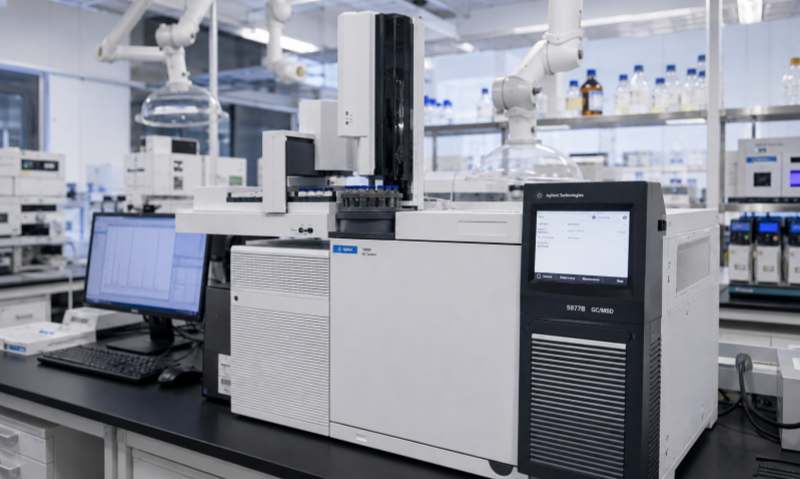
Gas chromatography (GC) is widely used in pharmaceutical, chemical, environmental, food, petrochemical, and research laboratories. For GC systems equipped with flame ionization detectors (FID), flame photometric detectors (FPD), or other flame-based detectors, stable ignition is essential for accurate and reproducible analysis. Failure to ignite or repeated flameout can result from problems with gas supply, ignition components, detector contamination, airflow, column installation, or instrument settings. A systematic troubleshooting procedure can help identify the root cause efficiently.
Gas supply is one of the most common causes of GC ignition failure. Flame-based detectors normally require fuel gas, oxidizing gas, and sometimes make-up gas. For an FID, hydrogen and air must be supplied at the appropriate pressures and flow rates.
If the gas cylinder is nearly empty, the pressure regulator is malfunctioning, or the supply line is leaking, the detector may not receive sufficient gas for ignition. An unstable gas supply can also cause the flame to extinguish during operation.
Check cylinder pressure, regulators, tubing, fittings, and gas filters. Confirm that gas flow rates correspond to the manufacturer's specifications. Never increase gas pressure arbitrarily to compensate for a suspected blockage or leak.
The ignition system is another important factor. A dirty, damaged, or incorrectly positioned igniter can prevent the flame from being established.
If the igniter does not glow or produce the expected ignition effect, inspect the igniter according to the instrument manufacturer's maintenance procedure. A damaged igniter may require replacement. Deposits around the detector jet can also interfere with ignition and should be removed using approved cleaning methods.
Users should avoid touching delicate detector components unnecessarily because improper handling can change the alignment of the detector assembly.
Contamination around the FID jet is a common cause of poor ignition and flame instability. Samples containing high-boiling compounds, silicone materials, oils, or other contaminants may produce deposits near the jet.
A contaminated jet can restrict gas flow or alter the gas mixture around the flame. Symptoms may include difficult ignition, unstable flame, reduced detector response, and repeated flameout.
After shutting down and allowing the detector to cool, inspect the jet and clean or replace it according to the manufacturer's instructions. Do not use inappropriate tools that could enlarge or deform the jet opening.
Incorrect detector parameters can also prevent stable ignition. If hydrogen or air flow is too low, the flame may not ignite. If the flow is excessive or improperly balanced, the flame may become unstable and extinguish.
Check the detector temperature, hydrogen flow, air flow, make-up gas flow, and ignition settings. The exact values depend on the detector design and analytical method, so always use the manufacturer's recommended operating conditions.
Some detectors require sufficient operating temperature before ignition. If the detector temperature is below the recommended value, condensation or inadequate thermal conditions can interfere with flame formation.
Allow the GC oven and detector to reach the appropriate operating temperature before attempting ignition. If the detector fails to reach its programmed temperature, inspect the heater, temperature sensor, and relevant control system.
Leaks in gas lines can reduce the amount of fuel or oxidizing gas reaching the detector. Loose fittings, damaged tubing, or deteriorated seals can cause unstable operation.
Check connections systematically using an appropriate leak-detection method. Never use an open flame to search for leaks. Laboratory gas systems should be inspected according to applicable safety procedures.
External airflow can also disturb a detector flame. Strong ventilation, open instrument covers, or nearby fans may cause flame instability. The GC should be installed in an environment with controlled airflow.
Incorrect column installation can sometimes contribute to detector instability, particularly if the column outlet position is incorrect or the column is damaged. Excessive column bleed or contamination may also affect detector performance.
Check the column dimensions, installation depth, carrier-gas flow, and detector connection. If the detector flame becomes unstable only after a particular column or method is installed, compare the system with a known-good configuration.
When a GC cannot ignite, first confirm the gas supply and verify that the required gases are actually flowing. Next check detector temperature, ignition status, and gas-flow settings. Then inspect the igniter, detector jet, gas lines, and fittings. If ignition occurs but the flame repeatedly goes out, investigate gas-flow stability, contamination, leaks, airflow, and detector temperature.
Avoid repeatedly attempting ignition without identifying the cause. Excessive ignition attempts can waste gas and may create unnecessary safety risks.
GC failure to ignite or frequent flameout is usually associated with gas-supply problems, ignition-system faults, contaminated detector components, incorrect gas flows, insufficient temperature, leaks, or environmental airflow. A systematic inspection from the gas source to the detector can greatly improve troubleshooting efficiency. Regular gas-line leak checks, detector cleaning, correct column installation, and preventive maintenance are essential for maintaining stable flame operation and reliable chromatographic results.