
Consultation Hotline
+1 (302) 618-8777
+1 (302) 618-8777
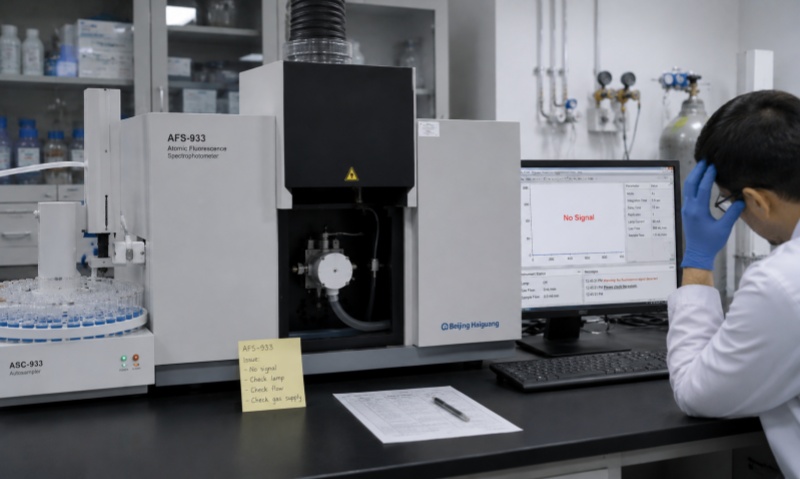
Gas chromatography (GC) is widely used in pharmaceutical, environmental, petrochemical, food, and chemical analysis. However, during routine operation, analysts often encounter problems such as poor peak shape, septum-related contamination or leakage, and unstable baseline signals. These issues can reduce analytical accuracy and affect laboratory efficiency. Understanding the causes and solutions of these problems is essential for maintaining reliable GC performance.
Peak shape is one of the most important indicators of GC performance. Ideally, chromatographic peaks should be symmetrical and sharp. Common problems include tailing peaks, fronting peaks, broad peaks, and split peaks.
Poor peak shape is often caused by injection system problems. An overloaded sample injection, incorrect split ratio, or excessive injection volume can cause peak distortion. Reducing the sample concentration, optimizing the injection volume, and adjusting split flow parameters are effective solutions.
Column-related issues are another major factor. Contaminated columns, incorrect column installation, or degradation of the stationary phase can lead to tailing or peak broadening. Regular column maintenance, proper conditioning procedures, and replacing damaged columns can significantly improve peak performance.
The condition of the inlet liner is also critical. Dirty or inappropriate liners may cause incomplete vaporization and uneven sample transfer. Replacing contaminated liners and selecting suitable liner types according to sample characteristics can improve injection reproducibility.
In addition, maintaining correct carrier gas flow and injector temperature is essential. A stable flow rate and optimized temperature program help achieve better separation efficiency and symmetrical peaks.
The septum is a small but important component in the GC injection port. It seals the inlet system while allowing the syringe needle to penetrate during sample injection. Over time, repeated injections and high temperatures can cause septum degradation.
A worn septum may lead to carrier gas leakage, unstable retention times, increased background noise, and contamination from septum fragments. Therefore, regular septum inspection and replacement are necessary.
When replacing a septum, the GC inlet should first be cooled to a safe temperature to avoid burns and prevent damage to the instrument. The old septum should be removed carefully to prevent debris from entering the injection port. A new high-temperature septum should be installed correctly and tightened according to manufacturer specifications.
After replacement, operators should check for leaks and verify baseline stability. Using high-quality septa designed for the operating temperature range can reduce maintenance frequency and improve instrument reliability.
An unstable baseline is a common issue that affects quantitative analysis. Baseline fluctuations may appear as noise, drift, or irregular changes in detector response.
One major cause is contamination in the injector, column, or detector. Residual samples, non-volatile compounds, and column bleeding can increase background signals. Regular cleaning of the inlet, replacement of dirty liners, and proper column conditioning can reduce contamination.
Gas supply quality is another important factor. Impurities, moisture, or oxygen in carrier gases may cause baseline instability and shorten column lifetime. Using high-purity gases with appropriate purification filters is recommended.
Detector problems can also affect baseline performance. For example, unstable detector temperature, incorrect gas flow rates, or dirty detector components may create signal fluctuations. Routine detector maintenance and flow verification can help maintain stable operation.
Improving GC performance requires systematic maintenance and troubleshooting. Optimizing injection conditions and column performance can improve peak shape, regular septum replacement prevents leaks and contamination, and proper cleaning and gas management help maintain a stable baseline. By addressing these three common problems, laboratories can achieve higher accuracy, better repeatability, and longer instrument service life.