
Consultation Hotline
+1 (302) 618-8777
+1 (302) 618-8777
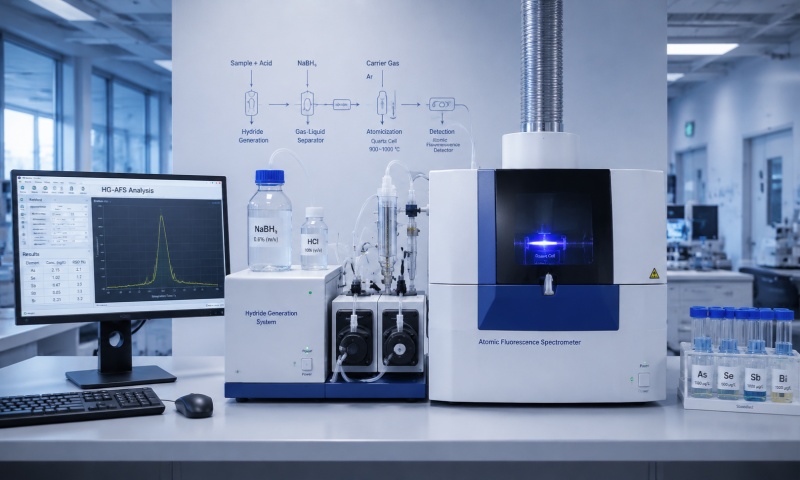
Ultraviolet-visible (UV-Vis) spectrophotometers are widely used in pharmaceutical analysis, environmental monitoring, biotechnology, chemistry, and material science. The accuracy and reliability of analytical results depend heavily on proper instrument maintenance. Although modern UV-Vis systems are designed for long-term stability, regular maintenance is still essential to prevent measurement errors, reduce downtime, and extend instrument lifetime. The following three areas are the most critical maintenance points for UV-Vis spectrophotometers.
The optical system is the core component of a UV-Vis spectrophotometer, including the light source, monochromator, mirrors, lenses, and detector. Any contamination or aging of optical components can directly affect photometric accuracy and wavelength precision.
The first priority is keeping the sample compartment and optical surfaces clean. Dust, chemical residues, and fingerprints on optical windows or cuvettes can cause light scattering and abnormal absorbance readings. Operators should regularly inspect the cuvettes and clean them with appropriate solvents. Quartz cuvettes are recommended for UV measurements because glass materials may absorb ultraviolet light and introduce errors.
The light source also requires periodic inspection. Deuterium lamps are commonly used for ultraviolet wavelengths, while tungsten-halogen lamps are used for visible wavelengths. Over time, lamp intensity decreases, resulting in higher baseline noise and unstable measurements. Regular wavelength calibration and lamp performance checks help ensure consistent analytical results.
In addition, the optical alignment should be verified during routine maintenance. Mechanical vibration, transportation, or long-term operation may slightly affect optical positioning, leading to wavelength drift or reduced sensitivity.
The sample compartment is frequently exposed to chemical samples, making it one of the most vulnerable areas of a UV-Vis spectrophotometer. Spilled samples, corrosive vapors, or accumulated residues may damage internal components and affect measurement repeatability.
After each analysis, operators should remove sample holders and clean any liquid contamination immediately. For laboratories handling strong acids, organic solvents, or biological samples, additional protective procedures should be implemented to prevent corrosion.
Environmental conditions also play an important role in instrument stability. UV-Vis spectrophotometers should be installed on a stable laboratory bench away from excessive vibration, direct sunlight, strong electromagnetic interference, and extreme temperature fluctuations. Excessive humidity may cause condensation inside optical components, while high temperatures can accelerate lamp aging and electronic component degradation.
Maintaining a stable operating environment improves baseline stability and reduces the frequency of recalibration.
Regular calibration is essential for maintaining measurement accuracy. UV-Vis spectrophotometers should undergo wavelength accuracy checks, photometric accuracy tests, and baseline verification according to laboratory requirements and instrument usage frequency.
Certified reference materials, such as holmium oxide filters or potassium dichromate solutions, are commonly used to verify wavelength and absorbance performance. If calibration results exceed acceptable limits, professional adjustment may be required.
Software maintenance is another important aspect often overlooked. Keeping instrument software updated, maintaining proper data storage, and regularly backing up analytical methods can prevent data loss and improve laboratory efficiency. Operators should also review instrument diagnostic reports to identify early signs of component failure.
Effective maintenance of UV-Visible spectrophotometers depends on three key areas: optical system protection, sample compartment and environmental control, and regular calibration with software management. A well-maintained instrument provides higher accuracy, better repeatability, and longer service life. By establishing a preventive maintenance schedule and following proper operating procedures, laboratories can maximize the performance and reliability of their UV-Vis analytical systems.