Consultation Hotline
+1 (302) 618-8777
+1 (302) 618-8777
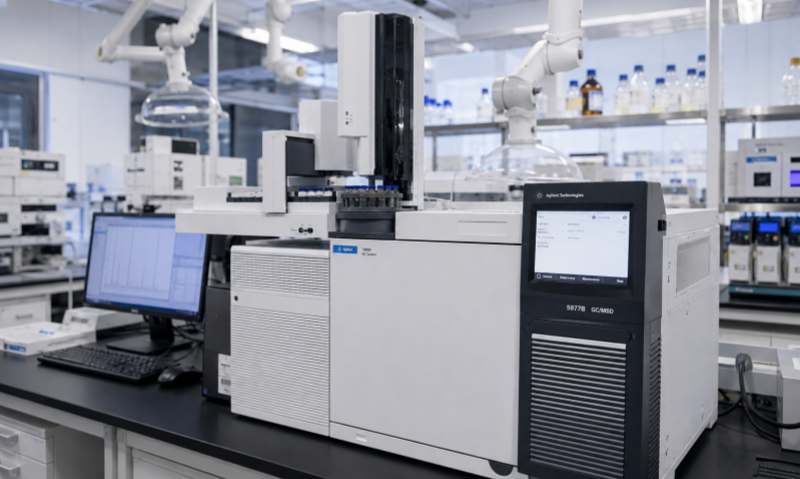
Automated DNA synthesizers are essential instruments in modern molecular biology laboratories, biotechnology companies, pharmaceutical research centers, and genetic testing facilities. These instruments are designed to automatically assemble DNA oligonucleotides according to programmed sequences through precise chemical synthesis cycles. Compared with traditional manual synthesis methods, automated DNA synthesizers provide higher efficiency, improved accuracy, better reproducibility, and reduced labor requirements.
A typical automated DNA synthesizer integrates multiple systems, including reagent delivery, reaction chambers, fluid control, temperature management, instrument software, and waste disposal modules. Proper operation and routine maintenance are critical for ensuring synthesis quality, reducing failure rates, and extending instrument service life.
Most automated DNA synthesizers use the phosphoramidite chemical synthesis method. During the synthesis process, nucleotide units are added sequentially to a growing DNA chain through repeated reaction cycles.
Each synthesis cycle generally includes four major steps:
Detritylation
The protective group at the end of the growing DNA chain is removed, exposing the reactive hydroxyl group.
Coupling
A new nucleotide phosphoramidite is added and chemically linked to the DNA chain.
Capping
Unreacted DNA chains are blocked to prevent incomplete sequences from continuing in later cycles.
Oxidation
The newly formed linkage is stabilized through oxidation.
The automated synthesizer repeats these cycles according to the programmed DNA sequence until the desired oligonucleotide length is achieved.
The reagent delivery system is one of the most critical components of the instrument. It accurately transfers chemical reagents, activators, solvents, and nucleotide solutions into reaction columns.
Key requirements include:
Precise liquid delivery volume
Stable flow rate
Clean tubing pathways
Reliable valve operation
Any contamination, leakage, or inaccurate dispensing can directly affect DNA synthesis efficiency and final product quality.
The reaction column is where DNA chain assembly occurs. Controlled chemical reactions take place between immobilized starting materials and nucleotide reagents.
Important operating considerations include:
Correct installation of synthesis columns
Avoiding air bubbles in reaction pathways
Maintaining proper reaction conditions
Selecting suitable synthesis scales
Most DNA synthesizers require high-purity solvents and inert gas protection. Acetonitrile and other organic solvents are commonly used in the synthesis process.
The gas system provides:
Stable pressure for reagent delivery
Protection against moisture and oxidation
Improved reagent stability
Insufficient gas pressure or poor solvent quality may result in incomplete synthesis reactions.
Modern DNA synthesizers are controlled through dedicated software platforms. The software manages:
Sequence input
Synthesis parameters
Reagent selection
Cycle monitoring
Error reporting
Data recording
Operators should verify synthesis programs carefully before starting a run to prevent sequence errors.
Before starting synthesis, laboratory personnel should complete several checks:
Confirm reagent expiration dates
Check solvent purity
Verify gas pressure
Inspect tubing connections
Ensure waste containers have sufficient capacity
Confirm instrument calibration status
High-quality reagents and proper preparation are essential for achieving high-purity oligonucleotides.
The DNA sequence should be carefully reviewed before programming the instrument. Operators should confirm:
Correct base sequence
Required synthesis scale
Modification requirements
Purification method
Incorrect sequence input is one of the most serious errors because it cannot be corrected after synthesis completion.
During operation, operators should monitor:
Reagent consumption
Pressure stability
Valve switching performance
Error messages
Reaction cycle progress
Unexpected pressure changes or abnormal reagent usage may indicate system problems.
Possible causes:
Expired phosphoramidite reagents
Moisture contamination
Incorrect reagent concentration
Poor coupling efficiency
Blocked delivery lines
Solutions:
Replace old reagents
Use fresh, high-quality solvents
Check reagent preparation procedures
Clean or replace blocked tubing
Verify instrument calibration
Symptoms:
Abnormal synthesis cycle interruption
Low reagent consumption
Error alarms during operation
Possible causes:
Valve malfunction
Pump failure
Air bubbles in tubing
Insufficient gas pressure
Troubleshooting steps:
Check gas supply pressure
Inspect tubing connections
Remove air bubbles
Test valve operation
Perform system flushing procedures
Liquid leakage is a common issue in automated DNA synthesizers.
Possible causes include:
Loose fittings
Damaged seals
Aging tubing
Incorrect installation
Solutions include:
Tightening connections
Replacing damaged components
Performing leak tests after maintenance
Modern instruments depend heavily on software control. Communication failures may occur due to:
Computer connection problems
Software crashes
Incorrect parameter settings
Hardware communication faults
Recommended solutions:
Restart instrument control software
Check communication cables
Update software when necessary
Contact technical support for hardware faults
Regular maintenance can significantly improve instrument reliability.
Recommended maintenance practices include:
Daily flushing of reagent pathways
Regular replacement of solvent filters
Cleaning reaction chambers
Checking tubing conditions
Verifying pressure systems
Performing periodic calibration
Laboratories with high synthesis workloads should establish preventive maintenance schedules based on instrument usage frequency.
Automated DNA synthesizers are highly precise molecular biology instruments that require careful operation and regular maintenance. Understanding the instrument structure, synthesis principles, operating procedures, and troubleshooting methods enables laboratory personnel to improve synthesis success rates and maintain stable performance.
With the rapid development of synthetic biology, gene therapy, and biotechnology research, automated DNA synthesizers continue to play an important role in DNA oligonucleotide production. Proper operation and professional maintenance remain essential for achieving reliable, high-quality synthesis results in modern laboratories.