
Consultation Hotline
+1 (302) 618-8777
+1 (302) 618-8777
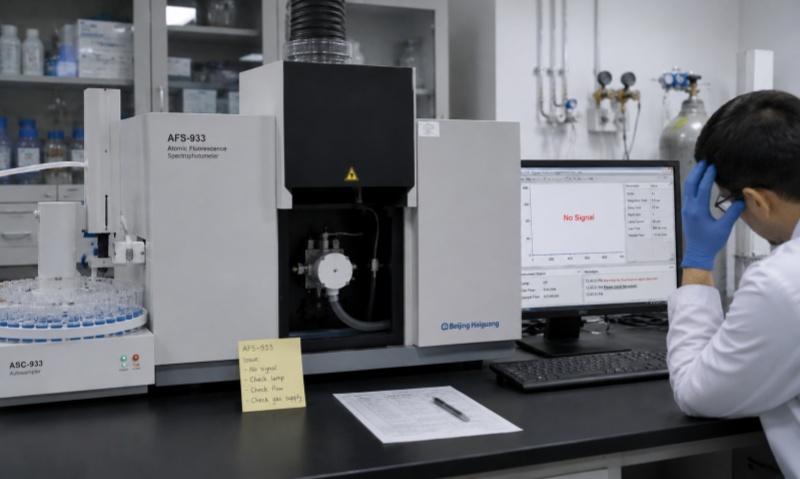
Oil analysis instruments are advanced analytical devices designed to evaluate the physical and chemical properties of lubricating oils, hydraulic fluids, fuel oils, and other industrial fluids. They are widely used in industries such as mechanical manufacturing, power generation, aerospace, automotive, petrochemical, and equipment maintenance. By monitoring oil condition and detecting contamination or wear particles, oil analysis instruments help improve equipment reliability, reduce unexpected downtime, and extend machinery service life.
One of the major advantages of oil analysis instruments is their high detection accuracy and sensitivity. Modern instruments can identify trace levels of metal particles, oxidation products, moisture, additives, and other contaminants in oil samples. This allows users to detect early-stage equipment wear before serious failures occur.
Another important advantage is fast and efficient analysis capability. Compared with traditional laboratory testing methods, advanced oil analysis systems can provide test results within minutes, enabling rapid decision-making for predictive maintenance programs. Many instruments feature automated sampling systems and intelligent software, reducing manual operation errors and improving testing efficiency.
Oil analysis instruments also provide multi-parameter testing functions. Depending on the model and technology, they can measure viscosity, particle contamination, water content, oxidation level, acid number, additive depletion, and wear metal concentration. Comprehensive oil condition monitoring provides valuable information for equipment health assessment.
Modern oil analysis instruments are also characterized by excellent repeatability and data management capabilities. Integrated software platforms can store historical test data, generate analysis reports, and track oil condition trends over time. This helps maintenance teams establish scientific maintenance strategies and optimize equipment operation.
In addition, many instruments feature compact design, easy operation, and strong adaptability. Portable oil analyzers can be used directly on-site, making them suitable for field inspection and remote equipment monitoring.
Before operation, users should prepare representative oil samples according to standard sampling procedures. The sampling container must be clean and free from external contamination. Proper labeling of sample information, including equipment name, oil type, and sampling date, is recommended.
During operation, the instrument should first be powered on and calibrated according to the manufacturer’s instructions. After selecting the appropriate testing mode, the oil sample is introduced into the analysis chamber or sample holder. The instrument then automatically performs measurement using technologies such as infrared spectroscopy, particle counting, viscosity measurement, or elemental analysis.
After the test is completed, the operator reviews the analytical results through the instrument display or connected computer software. Abnormal values, such as increased metal wear particles, excessive moisture, or oxidation levels, indicate possible equipment problems requiring further inspection.
Regular cleaning, calibration, and maintenance of the oil analysis instrument are essential to ensure long-term accuracy. Operators should follow recommended maintenance procedures, replace consumable parts when necessary, and keep detailed records of testing results.
In conclusion, oil analysis instruments provide accurate, rapid, and reliable solutions for modern predictive maintenance. Their advanced analytical performance and simple operation methods make them valuable tools for improving equipment safety, reducing maintenance costs, and maximizing industrial productivity.