
Consultation Hotline
+1 (302) 618-8777
+1 (302) 618-8777
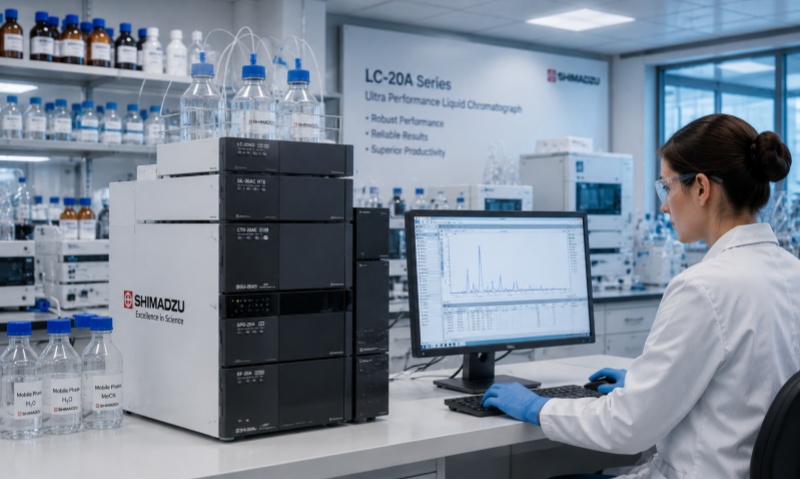
Polymer-based high-performance liquid chromatography (HPLC) columns, also known as polymeric or polymer stationary phase columns, are widely used in ion exchange chromatography, size exclusion chromatography (SEC), and hydrophilic interaction chromatography (HILIC). Compared with silica-based columns, polymer columns offer superior chemical stability across a wide pH range and better resistance to strong acids, bases, and high-salt mobile phases. However, prolonged use inevitably leads to fouling, loss of resolution, increased backpressure, and peak distortion. Proper regeneration methods are essential to restore column performance and extend service life.
This article provides a systematic overview of regeneration strategies for polymer-based HPLC columns, including common fouling mechanisms, cleaning procedures, and preventive maintenance practices.
Polymer-based columns can deteriorate due to multiple types of contamination and physical degradation. Understanding fouling mechanisms is the first step in effective regeneration.
Organic compounds such as proteins, lipids, surfactants, and hydrophobic small molecules may adsorb onto the stationary phase. This is particularly common in biological samples and fermentation broths.
Effects include:
Peak tailing
Loss of column efficiency
Reduced recovery of analytes
High-salt buffers used in ion exchange chromatography can precipitate or accumulate within the column matrix, leading to:
Increased backpressure
Poor peak shape
Reduced flow uniformity
In aqueous systems, microbial contamination may occur if columns are stored improperly. Biofilms can block pores and alter selectivity.
Repeated high-pressure operation may compress the polymer matrix, causing irreversible changes in pore structure and reduced separation efficiency.
Regeneration of polymer columns must follow several key principles:
Start with mild cleaning and gradually increase strength
Avoid exceeding manufacturer pressure limits
Use compatible solvents based on stationary phase chemistry
Ensure complete removal of previous mobile phase before cleaning
Monitor backpressure and baseline stability during the process
A stepwise approach is critical to avoid irreversible damage.
Before applying any strong cleaning solvent, the column should be flushed thoroughly:
Flush with 5–10 column volumes (CV) of deionized water
Remove salts and buffer components completely
Reduce flow rate to 0.2–0.5 mL/min for analytical columns
This step prevents precipitation when organic solvents are introduced.
For ion exchange polymer columns, salt accumulation is a major issue.
Recommended procedure:
Flush with 1–2 M NaCl solution for 20–30 minutes
Follow with deionized water wash until conductivity stabilizes
This step helps displace bound ionic species from the stationary phase.
To remove hydrophobic contaminants:
Use 30–50% acetonitrile or methanol in water
Alternatively, apply isopropanol for stronger cleaning
Flush 5–10 column volumes at moderate flow rate
For highly fouled columns, a gradient from aqueous to organic solvent is recommended to avoid sudden pressure shock.
For severe contamination, stronger reagents may be used depending on polymer compatibility:
0.1–0.5 M NaOH (for alkali-stable polymer columns)
0.1–1% SDS solution (for protein removal)
0.1% trifluoroacetic acid (TFA) for acidic cleaning
Important precautions:
Confirm chemical compatibility with column manufacturer
Avoid prolonged exposure to extreme pH unless column is rated for it
Limit exposure time to 30–60 minutes
Some polymer columns allow reverse flow operation. This can help dislodge trapped particulates:
Switch flow direction carefully
Use low flow rate (≤50% normal operating flow)
Flush with water followed by organic solvent
Note: Not all columns support reverse flow; manufacturer guidelines must be strictly followed.
After cleaning, the column must be re-equilibrated:
Flush with initial mobile phase for 10–20 column volumes
Stabilize baseline until pressure and signal are constant
Recalibrate system if necessary
Proper re-equilibration ensures reproducible chromatographic performance.
Key issues: salt buildup and protein binding
Recommended cleaning sequence:
Water flush
High-salt wash (1–2 M NaCl)
Alkali wash (0.1 M NaOH if stable)
Re-equilibration with buffer
Key issues: particulate blockage and aggregation
Recommended cleaning:
Water flush
0.1% sodium azide for microbial control
20–30% ethanol for organic removal
Low-pressure backflush (if allowed)
Key issues: polar compound adsorption and buffer residue
Recommended cleaning:
High organic solvent (acetonitrile ≥80%)
Water wash for salt removal
Mild acid or base wash depending on phase stability
Preventing fouling is more effective than frequent regeneration.
Best practices include:
Filter all samples (0.22 µm or 0.45 µm)
Use guard columns or inline filters
Avoid injecting highly viscous samples
Regularly flush system after analysis
Store columns in appropriate solvent (not water unless specified)
Proper storage significantly reduces microbial growth and stationary phase degradation.
If regeneration is ineffective, irreversible damage may have occurred. Indicators include:
Permanent increase in backpressure
No improvement in peak shape after cleaning
Loss of selectivity
Persistent baseline noise
In such cases, column replacement is recommended.
Regeneration of polymer-based HPLC columns requires a systematic approach combining solvent flushing, salt removal, organic contaminant cleaning, and careful re-equilibration. Because polymer stationary phases are chemically robust, they allow a wider range of cleaning conditions compared to silica columns. However, excessive or improper cleaning can still damage the column structure. Therefore, adherence to manufacturer guidelines, gradual cleaning steps, and preventive maintenance are essential for maximizing column lifespan and ensuring consistent chromatographic performance.