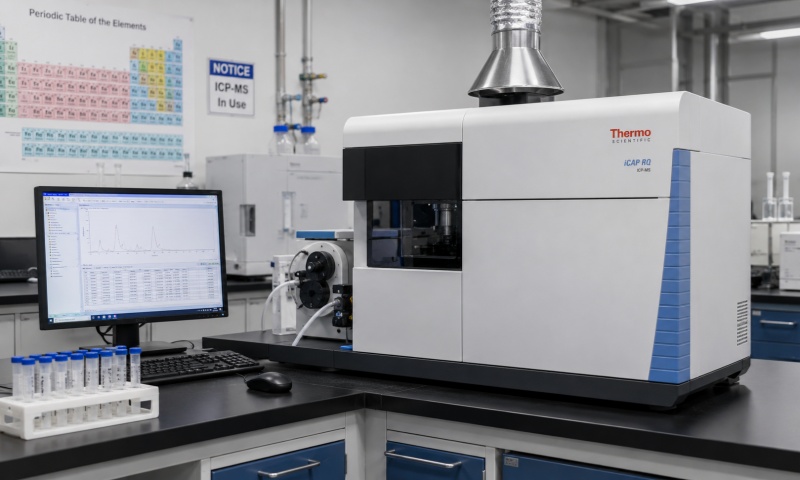
Total Organic Carbon (TOC) analyzers are precision analytical instruments widely applied in water quality monitoring, pharmaceutical production, environmental testing and industrial water purification. They quantitatively detect organic pollutant content in liquid samples through high-temperature oxidation or ultraviolet oxidation combustion methods, providing critical data for water quality evaluation and production quality control. In daily laboratory operation, unstable detection results, including fluctuating numerical values, poor repeatability, high blank baseline and abnormal offset data, frequently occur. These unstable phenomena directly reduce data accuracy and credibility, interfere with experimental judgment and industrial quality inspection. The instability of TOC test results is rarely caused by a single factor but mainly stems from sample contamination, instrument system failure, gas path abnormalities and non-standard operating procedures.
Sample pretreatment and contamination problems are the most common external causes of unstable TOC detection data. Organic carbon in water samples is extremely susceptible to external environmental interference, and improper sample handling will lead to continuous value fluctuation. First, incomplete sample container cleaning is a major hidden danger. Glass sampling bottles that are not soaked and cleaned with ultrapure water often retain residual organic matter, detergents and trace impurities, which will continuously dissolve into the sample during testing and cause elevated and unstable TOC values. Second, unsuitable sample storage conditions lead to microbial proliferation and organic component degradation. Unsealed samples or long-term exposure to air will absorb atmospheric carbon dioxide and volatile organic compounds, resulting in gradual changes in organic carbon content. In addition, uneven sample mixing and excessive suspended particulate matter will cause inconsistent organic carbon content in each injection, further reducing test repeatability.
Gas system abnormalities are core internal factors leading to unstable TOC instrument operation. Most TOC analyzers rely on high-purity oxygen or carrier gas to complete sample oxidation and gas purging processes, and gas purity and pressure stability directly determine test stability. Impure carrier gas containing trace organic impurities, carbon dioxide and water vapor will cause a continuously rising baseline and irregular numerical jitter during detection. Meanwhile, unstable gas pressure and flow rate fluctuation will affect the full oxidation of organic carbon in the sample. If the gas pipeline is blocked, leaked or the filter is contaminated, the purging efficiency of inorganic carbon and residual gas will decrease, resulting in incomplete carbon removal and inconsistent test data. Moreover, long-term uns replacement of gas purification consumables such as dewatering tubes and impurity filter tubes will cause cumulative pollution and continuous drift of detection results.
Instrument component aging and system contamination are key inherent causes of long-term TOC detection instability. The oxidation reaction chamber, combustion tube and detector are the core functional components of the TOC analyzer, and their working state directly affects test accuracy. Long-term operation will lead to carbon deposition, organic residue scaling and oxide accumulation in the combustion chamber, which will hinder the full oxidation of samples and cause fluctuating response signals of the infrared detector. In addition, the aging and wear of injection pumps and quantitative valves will lead to inaccurate sample injection volume. Slight deviation in each sampling amount will be amplified in the test results, resulting in poor data repeatability. The pollution and aging of the infrared detector will also reduce signal sensitivity and anti-interference ability, making the detection value prone to random jitter and numerical deviation.
Non-standard operation and incomplete system calibration are important human-induced factors for unstable results. Many unstable test problems originate from irregular daily operation and maintenance. Frequent sudden start-stop of the instrument, insufficient preheating time and skipping system blank calibration will lead to unstable instrument baseline and inconsistent detection benchmarks. Inorganic carbon removal is a key step in TOC detection; incomplete acidification and aeration will leave residual inorganic carbon in the sample, causing irregular high values. Besides, failure to perform regular standard curve calibration and drift correction will lead to gradual deviation of the instrument’s quantitative system, resulting in continuous fluctuation and inaccuracy of batch test results. Lack of regular daily maintenance and irregular replacement of vulnerable parts will further aggravate instrument performance attenuation.
In conclusion, the instability of TOC analyzer detection results is a comprehensive problem caused by sample conditions, gas systems, instrument components and operating specifications. To stabilize test data, laboratories must standardize sample collection, storage and pretreatment, regularly inspect and replace gas path purification accessories, clean contaminated reaction components timely, and strictly implement instrument preheating, calibration and standardized operation procedures. Systematic maintenance and standardized operation can effectively eliminate detection fluctuations, improve the repeatability and accuracy of TOC analysis, and ensure reliable and stable data support for environmental monitoring, pharmaceutical testing and industrial water quality analysis.