
Consultation Hotline
+1 (302) 618-8777
+1 (302) 618-8777
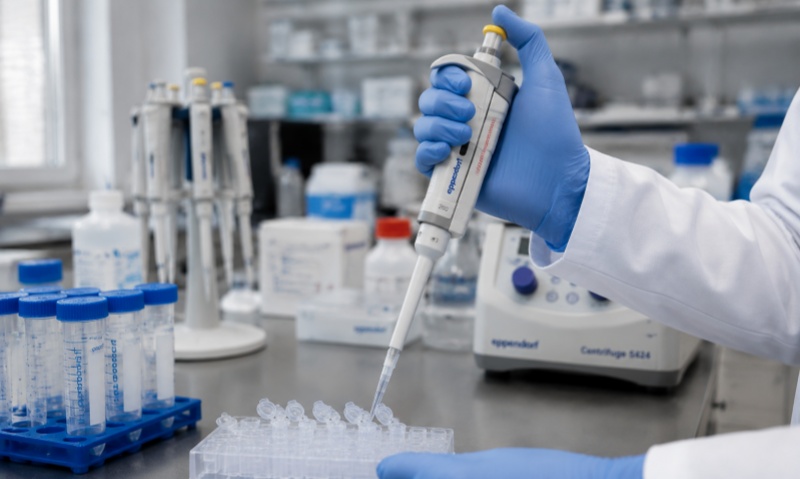
Eppendorf pipettes are indispensable tools in modern laboratories, widely recognized for their precision, reliability, and ergonomic design. From molecular biology to analytical chemistry, these pipettes ensure accurate measurement and transfer of liquids at micro and milliliter scales. However, proper handling, maintenance, and understanding of operational limits are crucial to maximize performance and prolong their lifespan. This article explores essential precautions and best practices when using Eppendorf pipettes, offering guidance for both new and experienced laboratory personnel.
1. Understanding Your Pipette
Eppendorf pipettes come in various models, including single-channel, multi-channel, manual, and electronic versions. Each type has specific volume ranges, typically denoted on the pipette body, such as 0.5–10 µL, 10–100 µL, 100–1000 µL, or 1–10 mL. Selecting the correct pipette and volume range for your application is essential. Using a pipette outside its intended range can compromise accuracy, damage the internal mechanism, and introduce significant measurement errors.
2. Proper Pipette Handling
Handling pipettes carefully is critical to maintain precision. Always hold the pipette vertically when aspirating liquids, especially with small volumes. Avoid tilting excessively, as it can lead to inconsistent sample uptake and inaccurate results. Grip the pipette comfortably to reduce fatigue during repeated use. Many Eppendorf models feature ergonomic designs with lightweight construction and adjustable finger rests, promoting comfort during extended pipetting tasks.
3. Correct Pipetting Technique
Accurate pipetting requires consistent technique. Begin by pre-wetting the tip: aspirate and dispense the sample liquid two to three times before taking the final volume. This ensures uniform liquid adhesion and reduces variability caused by surface tension differences. When aspirating, press the plunger smoothly to the first stop, immerse the tip just below the liquid surface, and release the plunger slowly. When dispensing, press to the first stop, pause briefly, and then press to the second stop to expel any residual liquid.
4. Tip Selection and Attachment
Always use Eppendorf-certified tips that match your pipette model. Poorly fitting or incompatible tips can cause leaks, inaccurate volumes, or damage to the pipette seal. To attach the tip, press firmly until it clicks into place. Avoid excessive force, which may deform the tip or pipette end. If using filtered tips, ensure they are seated correctly to prevent aerosol contamination and protect the pipette’s internal components.
5. Avoiding Contamination
Preventing sample contamination is essential in sensitive experiments, such as PCR or cell culture. Use sterile tips, change tips between samples, and avoid touching the tip or sample with your hands. For highly hazardous or infectious materials, consider using barrier or filtered tips and work under appropriate biosafety conditions. Clean pipettes regularly with mild detergents or 70% ethanol, and avoid submerging electronic models in liquid.
6. Volume Calibration and Verification
Regular calibration ensures reliable performance. Eppendorf pipettes are factory-calibrated, but frequent laboratory use, temperature variations, or accidental impacts can alter their accuracy. Follow ISO 8655 standards for volume verification and recalibrate as needed, either in-house using gravimetric methods or through authorized service centers. Maintaining a calibration log helps track performance over time and ensures compliance with quality standards.
7. Temperature and Liquid Considerations
Temperature can significantly affect pipetting accuracy. Use pipettes at room temperature unless otherwise specified. Avoid pipetting extremely hot, cold, or viscous liquids without considering their impact on volume displacement. For highly viscous solutions, pre-wetting tips and slow aspiration can improve accuracy. When handling volatile liquids, minimize exposure to air currents, which can lead to evaporation and inconsistent measurements.
8. Cleaning and Maintenance
Routine maintenance extends pipette lifespan. Eppendorf pipettes should be cleaned regularly, focusing on the exterior, plunger, and tip cone. Disassemble components according to the manufacturer’s instructions for deep cleaning. Lubricate seals periodically, especially for piston-driven pipettes, to ensure smooth plunger movement. Electronic pipettes require special attention to batteries, touch screens, and firmware updates to maintain optimal functionality.
9. Storage and Transport
Store pipettes vertically in dedicated racks to prevent accidental contamination, leaks, or mechanical damage. Avoid leaving pipettes in direct sunlight or high humidity environments. When transporting, secure pipettes in padded cases or designated carriers to protect the delicate internal mechanism. For long-term storage, remove the tip to prevent tip cone stress and maintain internal cleanliness.
10. Ergonomics and Safety
Laboratory ergonomics is often overlooked but is vital for long-term health. Repeated pipetting can cause strain injuries to the wrist, thumb, or forearm. Eppendorf pipettes are designed to minimize these risks through low plunger forces and adjustable finger rests. Take regular breaks, rotate tasks, and maintain proper hand posture to reduce repetitive strain. Always wear personal protective equipment (PPE) to safeguard against chemical or biological hazards during pipetting.
Conclusion
Eppendorf pipettes are powerful tools that provide high precision and reliability in a variety of laboratory applications. However, achieving consistent results requires careful attention to proper handling, technique, maintenance, and environmental factors. By adhering to these best practices and precautions, laboratory professionals can ensure accurate measurements, prevent contamination, extend the lifespan of their equipment, and maintain a safe working environment. Proper pipetting is more than a routine task—it is a foundation of quality and reproducibility in modern scientific research.