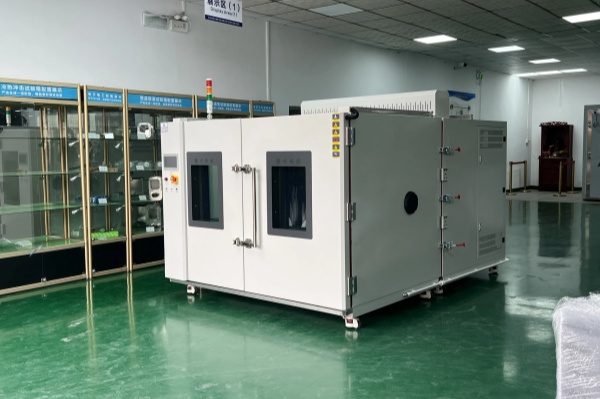
Biochemical incubators are essential equipment in biological, medical, and environmental laboratories, providing a stable temperature, humidity, and sterile environment for the cultivation of cells, microorganisms, and tissues. A common malfunction encountered during their operation is water leaking from the bottom, which not only affects the normal operation of the equipment but also poses risks such as equipment damage, laboratory environmental pollution, and even impact on the safety of cultured samples. Identifying the root causes of water leakage promptly is crucial to resolving the problem efficiently, reducing downtime, and ensuring the stability of experimental conditions. This article details the main possible causes of water leaking from the bottom of a biochemical incubator, providing a clear and practical reference for laboratory technicians and equipment operators, with a total length of approximately 1000 words.
Water leakage from the bottom of a biochemical incubator is typically related to the humidification system, water supply and drainage components, door seals, or improper use and maintenance. To locate the cause accurately, it is recommended to follow the principle of "from simple to complex, from external to internal" and conduct a systematic inspection, starting with the most common and easily verifiable factors.
The most common cause of water leakage is an overflow of the humidification water tank. Biochemical incubators usually use a built-in water tank to provide water for the humidification system, maintaining the required humidity inside the chamber. If the water tank is filled beyond its maximum capacity, the excess water will overflow and flow out from the bottom of the equipment. This situation often occurs due to improper operation by operators—for example, adding too much water when refilling the tank or failing to check the water level before starting the equipment. Additionally, if the water level sensor in the tank malfunctions, it may fail to alert when the water level is too high, leading to continuous water addition and subsequent overflow. To verify this, turn off the equipment, open the water tank cover, and check if the water level exceeds the "MAX" mark; if so, drain the excess water to the appropriate level and test whether the leakage stops.
Another common cause is blockage or damage to the drainage system. Biochemical incubators are equipped with a drainage pipe or tray to collect condensed water generated inside the chamber during operation. Over time, impurities such as dust, culture medium residues, or mineral deposits can accumulate in the drainage pipe, causing blockage. When condensed water cannot be discharged smoothly, it will accumulate in the tray or inside the equipment and eventually leak from the bottom. In addition, the drainage pipe may become loose, cracked, or disconnected due to long-term use or improper handling, leading to water leakage at the connection. To check this, inspect the drainage pipe for blockages by blowing air through it or using a thin wire to clear any obstructions. Also, check the connections between the drainage pipe and the incubator to ensure they are firm and intact; replace the pipe if cracks or damage are found.
Malfunction of the humidification system components can also cause water leakage. The humidification system of biochemical incubators usually includes a humidifier, water pump, and water pipes. If the water pump fails or the water pipe is damaged, water may leak from the internal pipeline and flow out from the bottom of the equipment. For example, a worn or damaged water pump seal can cause water to seep out during operation; a cracked or loose water pipe connection can also lead to water leakage. Additionally, if the humidifier’s heating element is faulty, it may cause excessive boiling of water, generating a large amount of steam that condenses and accumulates inside the equipment, eventually leading to overflow and leakage. To troubleshoot this, turn off the power and disconnect the water supply, then inspect the water pump, water pipes, and humidifier for signs of damage, leakage, or blockage. Replace any faulty components promptly to restore normal operation.
Damaged or aging door seals are another potential cause of water leakage. The door seal (gasket) of a biochemical incubator is designed to prevent cold air, hot air, and moisture from leaking out, ensuring the stability of the internal environment. Over time, the seal may become aged, cracked, or deformed due to long-term use, high temperature, or improper cleaning, resulting in gaps between the door and the chamber. Moisture inside the incubator can then seep through these gaps, flow down the inner wall of the chamber, and leak from the bottom. To check the door seal, close the door and insert a piece of paper between the seal and the chamber; if the paper can be easily pulled out, it indicates that the seal is worn and needs to be replaced. Additionally, check the seal for dirt, mold, or damage; clean it with a soft cloth dipped in distilled water regularly to extend its service life.
Improper placement of the equipment or uneven ground can also lead to water leakage. Biochemical incubators need to be placed on a flat, level surface to ensure that condensed water flows smoothly into the drainage tray and is discharged through the drainage pipe. If the equipment is tilted, condensed water may accumulate on one side of the chamber, overflow the tray, and leak from the bottom. To resolve this, adjust the feet of the incubator to ensure it is level, using a level tool to verify the placement. Additionally, ensure that the equipment is placed away from direct sunlight or heat sources, as excessive temperature changes can increase condensation and exacerbate water leakage.
Finally, improper maintenance and cleaning can also contribute to water leakage. Failure to clean the water tank, drainage system, or humidification components regularly can lead to the accumulation of scale, dirt, or mold, which can block pipelines, damage seals, or cause component malfunctions. For example, scale accumulation in the water tank can affect the water level sensor’s accuracy, leading to overflow; mold growth on the door seal can accelerate its aging and damage. Therefore, it is important to follow the equipment manual to conduct regular maintenance, including cleaning the water tank, draining and flushing the drainage system, and inspecting and replacing worn components.
In summary, water leaking from the bottom of a biochemical incubator is mainly caused by water tank overflow, blocked or damaged drainage systems, faulty humidification components, worn door seals, improper equipment placement, or inadequate maintenance. By conducting a systematic inspection based on the causes mentioned above, most water leakage problems can be quickly identified and resolved. Regular maintenance and standardized operation are key to preventing such malfunctions, ensuring the stable operation of the biochemical incubator, and providing a reliable environment for laboratory experiments.