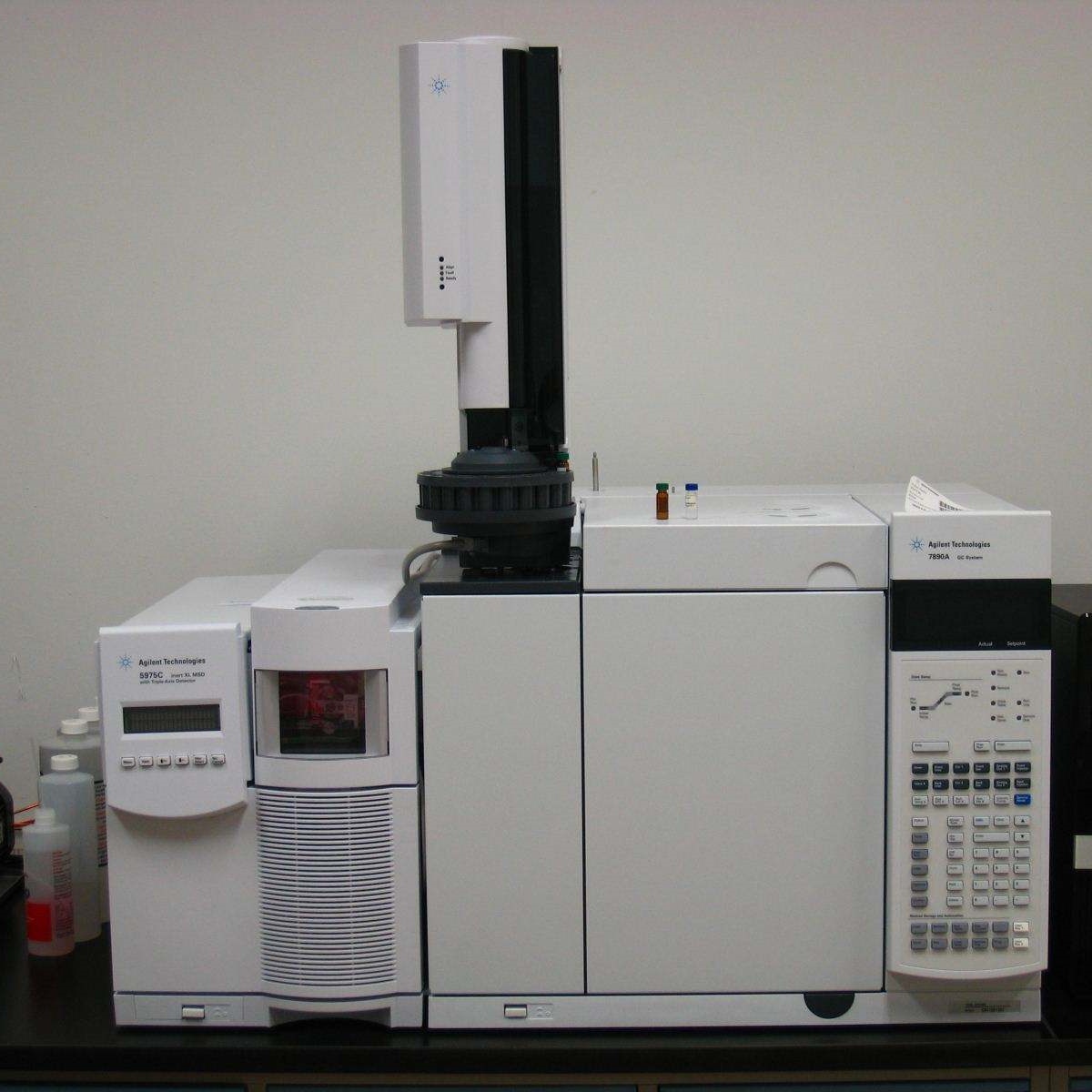
Gas Chromatography (GC) is a widely used analytical technique in analytical chemistry, widely applied in fields such as petrochemicals, environmental monitoring, food safety, and pharmaceutical analysis due to its high separation efficiency, fast analysis speed, and high sensitivity. Daily maintenance is crucial to ensure the stable operation of GC instruments, improve the accuracy and reproducibility of analytical results, extend the service life of components, and reduce the frequency of faults. This document summarizes the key daily maintenance points of GC instruments, covering core components such as the carrier gas system, injector, column, detector, and sample handling system, providing practical guidance for operators.
The carrier gas system is the foundation of GC operation, and its stability directly affects the separation effect and detection accuracy. Daily maintenance of the carrier gas system mainly includes three aspects. First, check the carrier gas supply: ensure that the pressure of the gas cylinder (such as nitrogen, helium, or hydrogen) is within the safe and rated range (usually 0.3-0.5 MPa). Replace the gas cylinder in a timely manner when the pressure is lower than 0.1 MPa to avoid air entering the system. Second, inspect the gas pipeline and connections for leaks: apply a soap solution to the joints of pipelines, valves, and regulators, and check for bubble formation. If leaks are found, tighten the connectors or replace the aging gaskets immediately to prevent carrier gas loss and air contamination. Third, maintain the gas purification system: replace the molecular sieve and activated carbon in the gas filter regularly (every 1-3 months, depending on usage frequency) to remove moisture, oxygen, and impurities in the carrier gas, which can avoid column damage and detector contamination.
The injector is a key component for sample introduction, and its cleanliness and tightness directly affect the sample introduction efficiency and peak shape. Daily maintenance of the injector includes cleaning and checking. After each day of use, clean the injection port liner: remove the liner, soak it in an appropriate solvent (such as methanol, acetone) for 10-15 minutes, then rinse it with pure solvent and dry it before reinstalling. If the liner is contaminated seriously (with obvious residues or carbon deposits), replace it with a new one of the same model. In addition, check the injection needle for wear, bending, or blockage; replace the needle if necessary, and clean the needle with solvent after each use to avoid sample cross-contamination. Tighten the injector nut appropriately to ensure good sealing, but avoid over-tightening to prevent thread damage.
The chromatographic column is the core of GC separation, and proper maintenance can extend its service life and ensure separation performance. Daily maintenance of the column mainly includes preconditioning and protection. Before starting the instrument each day, precondition the column at a temperature 10-20℃ higher than the maximum operating temperature of the day (but not exceeding the column’s maximum temperature limit) for 30-60 minutes to remove residual samples and impurities in the column. After use, cool the column to room temperature before turning off the carrier gas to avoid column damage caused by sudden temperature changes. Avoid injecting samples with high boiling points, strong polarity, or corrosiveness into the column; if such samples need to be analyzed, use a pre-column or derivatization treatment first. Regularly check the column connection: ensure that the column is installed correctly and the ferrules are intact to avoid carrier gas leakage and poor separation.
The detector is responsible for converting the separated components into electrical signals, and its performance directly affects the detection sensitivity and accuracy. Common GC detectors include FID (Flame Ionization Detector), TCD (Thermal Conductivity Detector), and ECD (Electron Capture Detector), each requiring targeted maintenance. For FID, check the flame status daily: ensure that the flame is stable (blue and bright), and adjust the flow rates of carrier gas, hydrogen, and air if the flame is unstable or extinguished. Clean the detector nozzle regularly with a fine needle to remove carbon deposits, which can avoid peak tailing or signal drift. For TCD, check the thermal filament for damage; if the filament is broken, replace it with the same model, and ensure that the carrier gas is continuously supplied during operation to prevent filament burnout. For ECD, keep the detector clean and avoid contamination by oxygen or organic solvents, which can reduce its sensitivity.
In addition to the above components, daily maintenance also includes the instrument’s external and auxiliary systems. Clean the external surface of the instrument with a dry cloth every day to remove dust and stains, and keep the laboratory environment clean and well-ventilated (temperature 15-30℃, humidity 40%-60%). Check the power supply and grounding system to ensure stable voltage and reliable grounding, avoiding instrument damage caused by voltage fluctuations or static electricity. Maintain the automatic sample injector (if equipped): clean the sample vial holder and syringe regularly, check the sample vial for leakage, and replace the sealing gasket if necessary.
Finally, establish a detailed maintenance log to record the date, maintenance content, replaced parts, and instrument running status each day. This helps track the instrument’s performance changes, discover potential faults in advance, and facilitate troubleshooting. Operators should strictly follow the standard operating procedures during daily use, avoid improper operation (such as frequent startup and shutdown, over-temperature operation), and ensure the long-term stable operation of the GC instrument.
In summary, the daily maintenance of GC instruments is a systematic and meticulous work, involving multiple components and links. By strictly implementing the above maintenance points, the failure rate of the instrument can be effectively reduced, the accuracy and reproducibility of analytical results can be guaranteed, the service life of the instrument can be extended, and reliable support can be provided for various analytical tasks.