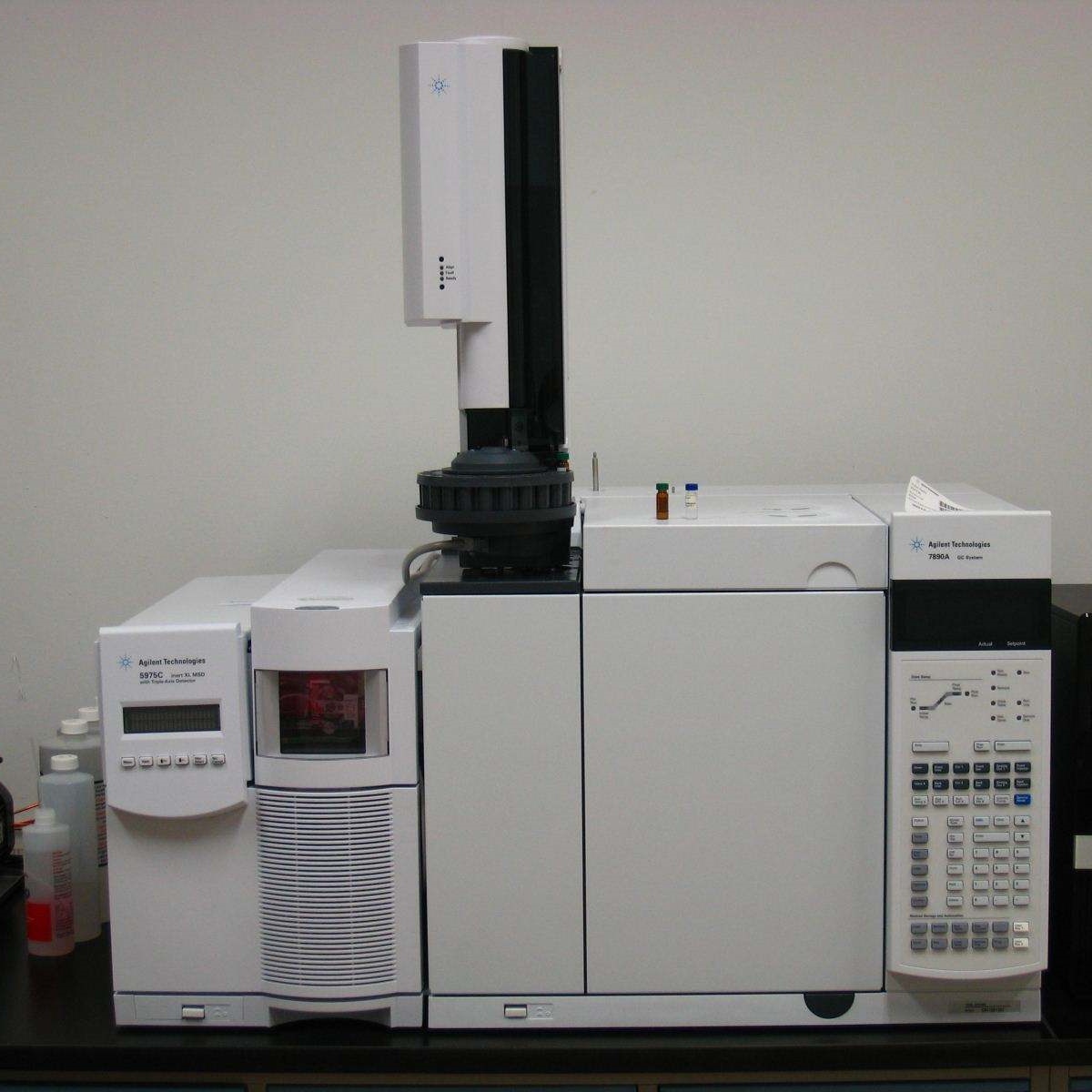
High-Performance Liquid Chromatography (HPLC) is a widely used analytical technique in fields such as chemistry, biology, medicine, and environmental testing, known for its high separation efficiency, high sensitivity, and wide application range. Leakage is one of the most common faults during HPLC operation, which not only affects the accuracy and reproducibility of analytical results but also may damage instrument components, shorten service life, and even cause potential safety hazards. This document systematically summarizes the common leakage locations, causes, and corresponding solutions of HPLC instruments, providing practical guidance for operators to quickly troubleshoot and resolve leakage problems.
Before solving the leakage problem, it is necessary to first identify the specific leakage location, which is the premise of effective troubleshooting. Operators can use a clean paper towel or absorbent cotton to wipe the key parts of the instrument during operation, observe where the liquid stains appear, and confirm the leakage point. Common leakage locations of HPLC instruments mainly include the mobile phase reservoir and pipeline connection, pump head, injector, column connection, and detector flow cell. Different leakage locations correspond to different causes and solutions, which need to be handled separately.
Leakage at the mobile phase reservoir and pipeline connection is a common problem, usually caused by loose connections, aging seals, or contaminated pipeline interfaces. If leakage occurs at the joint between the reservoir and the inlet pipeline, first turn off the instrument power and close the mobile phase valve to stop the liquid supply. Then, disconnect the pipeline, check whether the interface is clean and free of debris or residual mobile phase crystals, and use anhydrous ethanol to clean the interface if necessary. Replace the aging O-ring or gasket, reconnect the pipeline, and tighten the connector appropriately (avoid over-tightening to prevent thread damage). After reconnection, start the instrument to check whether the leakage is eliminated.
The pump head is the core component of the HPLC instrument, and leakage here is often related to the seal washer, plunger, or check valve. If the pump head leaks, first check the seal washer of the pump head; long-term use will cause the washer to wear, age, or deform, leading to leakage. Replace the seal washer with the same model, ensuring that it is installed in place without deviation. If the leakage persists, check the plunger for wear or scratches; if the plunger is damaged, it needs to be replaced in time. In addition, the check valve may also cause leakage due to contamination or blockage; clean the check valve with an appropriate solvent, or replace it if necessary.
Leakage at the injector is usually caused by loose needle seat, worn needle, or aging sealing gasket. When leakage occurs, first turn off the mobile phase pump and release the system pressure. Check the needle seat for looseness and tighten it gently. If the needle is worn or bent, replace it with a new needle of the same specification. The sealing gasket of the injector is easy to wear after long-term use; replace the gasket and ensure that the installation is tight. After replacement, perform a pressure test to confirm that there is no leakage.
Column connection leakage is another common situation, mainly due to loose column nuts, damaged column ferrules, or improper installation. First, turn off the instrument and release the system pressure. Disconnect the column, check the column ferrule for damage or deformation; if it is damaged, replace it with a new ferrule of the matching specification. Clean the column interface and the connecting pipeline to remove any residual mobile phase or impurities. Reconnect the column, tighten the column nut with an appropriate torque (not too tight to avoid damaging the column interface), and then start the instrument to check for leakage.
Leakage at the detector flow cell is relatively rare but may occur due to loose connections or damaged flow cell windows. If leakage is found at the detector, first turn off the instrument and disconnect the power supply. Check the connection between the flow cell and the pipeline, tighten the loose connector, and replace the aging seal if necessary. If the flow cell window is cracked or damaged, it needs to be replaced by professional maintenance personnel to avoid affecting the detection performance. After handling, perform a leak test and ensure that the detector works normally.
In addition to the above specific solutions, there are some general precautions to prevent and handle HPLC leakage. First, operators should strictly follow the standard operating procedures to avoid improper operation leading to leakage. Regularly inspect the instrument's pipelines, seals, and connectors, and replace aging or damaged parts in a timely manner. When replacing mobile phases, ensure that the solvents are compatible to avoid pipeline blockage or seal damage caused by chemical reactions. After each use, flush the system with an appropriate solvent to remove residual mobile phase and prevent crystal precipitation.
If the leakage problem cannot be solved by the above methods, or if the leakage is severe and involves core components such as the pump or detector, it is necessary to stop using the instrument immediately, cut off the power supply and mobile phase supply, and contact the manufacturer's after-sales service personnel for professional maintenance. Do not disassemble the core components without authorization to avoid secondary damage to the instrument.
In conclusion, HPLC leakage is a common fault that can be effectively resolved by accurately identifying the leakage location, analyzing the causes, and taking targeted measures. Regular maintenance and standardized operation can significantly reduce the occurrence of leakage problems, ensure the stable operation of the instrument, and maintain the accuracy and reliability of analytical results. Operators should accumulate experience in daily use, quickly respond to leakage faults, and extend the service life of the HPLC instrument.