
Consultation Hotline
+1 (302) 618-8777
+1 (302) 618-8777
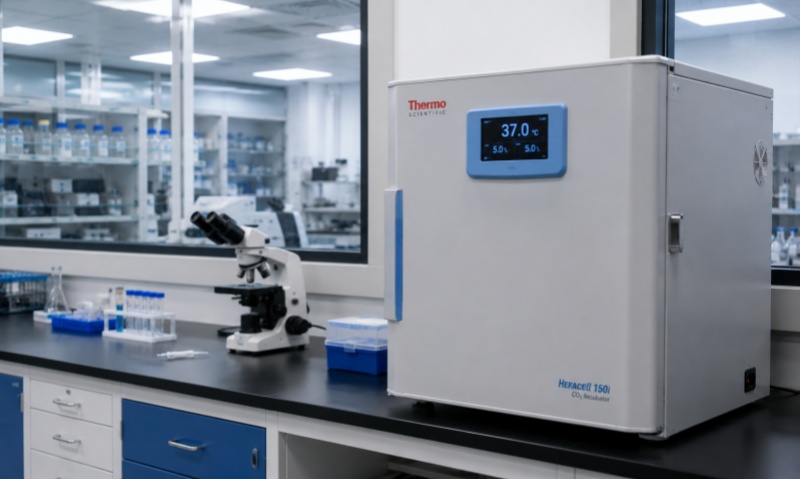
A carbon dioxide (CO₂) incubator is a critical instrument in cell culture laboratories, widely used in biomedical research, cancer studies, stem cell culture, and pharmaceutical development. It provides a stable environment with controlled temperature, humidity, and CO₂ concentration to support optimal cell growth. However, due to the nutrient-rich environment inside the chamber, contamination by bacteria, fungi, or mycoplasma is a common risk. Regular sterilization of the CO₂ incubator is essential to maintain aseptic conditions and ensure reliable experimental results.
Before starting the sterilization process, all cell cultures must be safely removed from the incubator. Transfer them to a backup incubator or appropriate storage environment to prevent damage.
Turn off CO₂ supply and power if required by the sterilization method. Remove all removable components, including shelves, shelf supports, water trays, and humidity pans. These parts should be cleaned separately to ensure thorough decontamination.
Prepare necessary materials such as:
Neutral laboratory detergent
70% ethanol or isopropanol
Sterile distilled water
Hydrogen peroxide solution (if chemical sterilization is used)
Lint-free wipes
Protective gloves and goggles
Ensure the working environment is clean and well-ventilated before beginning the procedure.
The first step in sterilization is physical cleaning. Wipe down the interior surfaces of the incubator using a lint-free cloth soaked in warm detergent solution. This removes protein residues, cell debris, and salt deposits.
Pay special attention to corners, shelf grooves, and sensor areas where contaminants are more likely to accumulate. After cleaning with detergent, rinse all surfaces thoroughly using sterile distilled water to remove any chemical residue.
Finally, wipe all internal surfaces with 70% ethanol or isopropanol to achieve preliminary disinfection. Allow the chamber to air dry completely before proceeding to the next step.
Shelves and water trays are high-risk contamination areas due to frequent contact with culture media and humidity.
Soak removable parts in disinfectant solution such as 70% ethanol or diluted hydrogen peroxide for 20–30 minutes. For more severe contamination, autoclaving (121°C for 15–20 minutes) is recommended if materials are compatible.
After sterilization, rinse thoroughly with sterile distilled water and dry in a clean environment or laminar flow hood before reinstalling.
Ensure water trays are completely clean before refilling with sterile water, as contaminated water is a major source of fungal growth inside incubators.
For more effective decontamination, chemical sterilization methods are often used inside the incubator chamber.
Hydrogen peroxide vapor (HPV) sterilization or formaldehyde-based fumigation (in older systems) can eliminate bacteria, fungi, and spores. Many modern incubators also support built-in decontamination cycles using high-temperature humidified air or dry heat sterilization.
If using hydrogen peroxide:
Ensure proper concentration as recommended by manufacturer
Activate decontamination cycle or distribute vapor evenly inside chamber
Seal incubator during sterilization process
Allow sufficient contact time (usually 1–3 hours depending on system)
After completion, ventilate the chamber thoroughly to remove residual vapors before resuming cell culture.
CO₂ incubators rely on sensitive infrared or thermal conductivity sensors to maintain gas concentration. These sensors must be handled carefully during sterilization.
Do not directly soak or expose sensors to liquid disinfectants. Instead, gently wipe surrounding areas with ethanol-dampened swabs. If contamination is suspected, refer to manufacturer guidelines for sensor calibration or replacement.
Additionally, replace or sterilize HEPA filters if the incubator is equipped with air filtration systems. Filters can harbor microorganisms over time and significantly affect air purity.
After sterilization, ensure the incubator chamber is completely dry. Moisture left inside the system can promote microbial regrowth.
Reinstall shelves, trays, and supports only after they are fully dry and sterile. Refill water trays with sterile distilled water to maintain humidity balance.
Restart the incubator and allow it to stabilize at operating temperature (typically 37°C) and CO₂ concentration (usually 5%) for at least several hours before introducing cell cultures.
After sterilization, it is important to monitor the incubator for contamination signs such as:
Unexpected turbidity in culture media
Fungal growth in water trays
pH drift in cell culture medium
Unstable CO₂ levels
Perform routine checks using sterile culture plates to verify aseptic conditions.
To reduce the frequency of full sterilization cycles, laboratories should adopt preventive practices:
Clean spills immediately after occurrence
Replace water in humidity trays regularly (at least weekly)
Use sterile filtered water only
Minimize unnecessary opening of incubator doors
Schedule periodic deep cleaning (monthly or quarterly depending on usage)
Perform regular CO₂ and temperature calibration
Proper sterilization of a CO₂ incubator is essential for maintaining a contamination-free cell culture environment. A complete process includes physical cleaning, chemical disinfection, component sterilization, and system decontamination cycles. By following standardized procedures and maintaining strict preventive practices, laboratories can ensure stable incubator performance, improve experimental reproducibility, and significantly reduce the risk of microbial contamination in sensitive biological applications.