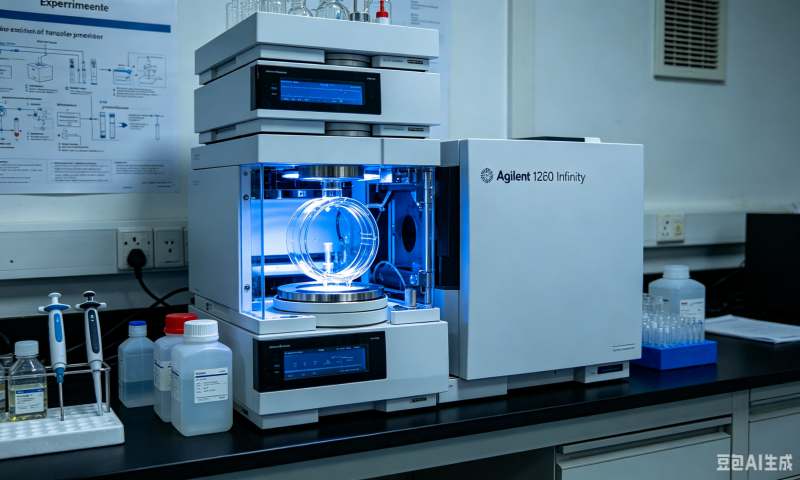
The ultraviolet (UV) lamp is the core luminous component of the high-performance liquid chromatography UV detector, which provides stable ultraviolet light sources for sample absorption and detection. The performance of the UV lamp directly determines the baseline stability, detection sensitivity, linearity and accuracy of HPLC analysis. UV lamps have a fixed service life and are prone to luminous attenuation, energy reduction and light failure after long-term operation. Regular scientific replacement, standardized inspection and daily maintenance can effectively avoid baseline noise, drift, low response value and poor repeatability, ensuring the long-term stable operation of HPLC instruments. This article elaborates on the standard replacement steps, key inspection methods and daily maintenance specifications of HPLC UV lamps.
Standard replacement of UV lamps must follow strict power-off and operating specifications to prevent instrument damage and safety risks. Before replacement, operators must completely shut down the HPLC system, turn off the instrument main power and power supply switch, and wait for the detector circuit to fully discharge. It is forbidden to replace the lamp with electricity to avoid circuit burnout and electric shock accidents. Open the detector shell and locate the UV lamp installation bin, gently loosen the lamp holder fixing screws, and slowly pull out the old lamp body and wiring interface. During operation, do not touch the lamp tube glass wall with fingers directly, as fingerprints, oil stains and sweat will cause local overheating, aging and light attenuation of the lamp tube, affecting luminous efficiency and service life.
After removing the old lamp, check the lamp holder, wiring port and interior of the detector cavity for dust, aging lines and oxide residues. Clean the cavity with dry lint-free dust-free cloth to ensure a clean light path environment. Select a new UV lamp with matched model and specification, align the interface correctly and insert it stably, and fix the lamp holder screws with uniform force to avoid poor contact caused by loose fixation or tube damage caused by excessive force. After installation, close the detector shell tightly to prevent external dust from entering the light path system and causing light scattering interference.
Post-replacement inspection and performance testing are essential to verify the effectiveness of replacement. Power on the instrument and preheat the UV lamp for 30 to 60 minutes to fully stabilize the luminous energy. Observe the real-time baseline state of the detector. A qualified new lamp presents a flat and smooth baseline without obvious noise, drift and irregular burrs. Operators need to check the lamp energy value and light source intensity through the instrument system software. If the energy value is too low or fluctuates abnormally, it indicates poor installation contact or unqualified lamp quality, which requires reinstallation or replacement. In addition, perform blank solvent scanning and standard sample testing to verify the peak shape, response sensitivity and retention time stability, ensuring the detection performance meets experimental standards.
Daily inspection and routine maintenance can effectively extend the service life of UV lamps and reduce instrument failure rate. First, develop regular inspection habits, check the lamp operating status, luminous intensity and baseline stability before daily experiments, and record the cumulative working time of the lamp. Replace the lamp in time when it reaches the service life or has obvious energy attenuation, even if it can light up normally, to prevent hidden dangers of reduced detection sensitivity. Second, avoid frequent startup and shutdown of the UV lamp. Frequent switching will cause instantaneous current impact, accelerate lamp aging and shorten service life. For continuous experimental work, keep the lamp in standby operation.
Moreover, maintain a clean and dry detector operating environment. Humid air and dust will affect the light path transmission efficiency and cause circuit oxidation and poor contact. Regularly clean the detector light window and flow cell surface to avoid dust and solvent residue from blocking the light path. During long-term idle periods of the instrument, turn off the UV lamp power to avoid unnecessary loss. In addition, strictly avoid excessive voltage fluctuation during instrument operation, and ensure stable power supply to prevent abnormal lamp energy attenuation.
In conclusion, UV lamp replacement, inspection and maintenance are crucial daily maintenance work for HPLC instruments. Standardized replacement operations ensure stable light source output, while regular inspection and scientific maintenance effectively reduce detection errors and equipment failure rates. Strict implementation of relevant operating specifications can maintain the high sensitivity and stability of the UV detector, guarantee the accuracy and repeatability of liquid chromatography detection data, and reduce laboratory instrument operation and maintenance costs.