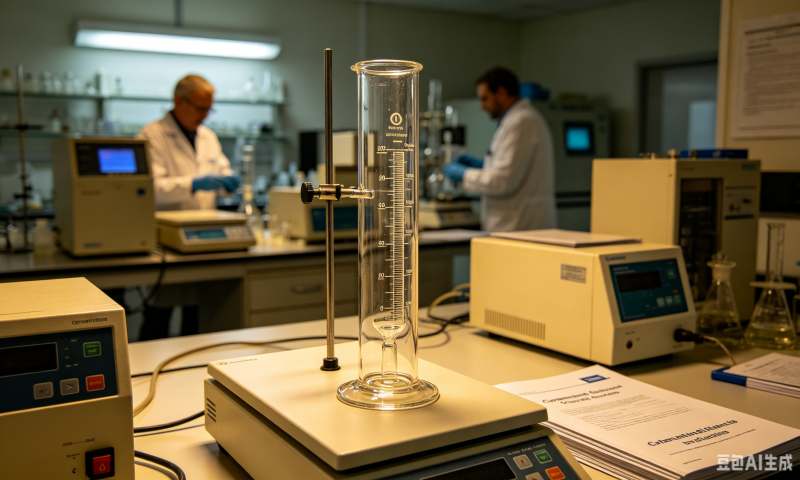
Infrared carbon-sulfur analyzers are crucial precision testing instruments widely used in metallurgy, chemical industry, building materials and material analysis fields, dedicated to detecting carbon and sulfur content in metal materials, ores and inorganic samples. The quartz combustion tube is the core consumable component of the analyzer, serving as the main carrier for high-temperature oxygen-enriched combustion of samples. Long-term high-temperature oxidation, sample residue erosion and gas flow impact will cause quartz tube aging, wall thinning, cracking and pollution, which affect combustion efficiency and detection accuracy. Regular replacement of quartz tubes is essential to ensure stable instrument operation and accurate test data. This article systematically summarizes the key precautions for quartz tube replacement of infrared carbon-sulfur analyzers to standardize laboratory operation procedures.
Pre-replacement preparation and power-off safety protection are the primary prerequisites for standard replacement operations. Before replacing the quartz tube, the instrument must be completely shut down following standardized procedures. Operators need to turn off the heating power, gas supply system and host power supply in sequence, and wait for the combustion furnace temperature to drop below room temperature thoroughly. It is strictly prohibited to disassemble the quartz tube under high-temperature conditions, which can easily cause high-temperature scalds and sudden temperature changes leading to burst cracks of new quartz tubes. Meanwhile, close the oxygen and carrier gas valves to prevent gas leakage and pressure impact during disassembly. Prepare matched standard quartz tubes, high-temperature resistant gloves, clean gauze and absolute alcohol in advance, and check the new tube for cracks, air bubbles, scratches and dimensional deviation to ensure the quality meets instrument operating standards.
Standard disassembly operation is vital to avoid secondary damage to instrument components. When removing the old quartz tube, operators should gently loosen the upper and lower fixing sealing nuts and clamping fixtures, avoiding excessive force to prevent slipping and damage to the furnace body sealing interface and electrode components. Slowly take out the aged quartz tube, and carefully clean residual sample ash, molten oxide and carbon-sulfur sediment attached to the furnace mouth and sealing parts. It is forbidden to use hard tools to scrape the furnace body inner wall to prevent scratching the refractory layer and sealing surface, which may cause air leakage in subsequent operation. After disassembly, inspect the sealing ring and asbestos gasket for aging, deformation and damage; replace aging accessories in time, as worn seals are the main cause of gas leakage and unstable combustion after tube replacement.
The installation process of new quartz tubes requires strict standardized operation to guarantee airtightness and stability. First, wipe the inner and outer walls of the new quartz tube with alcohol-cleaned gauze to remove dust, fingerprints and oil stains. Impurities on the tube wall will decompose at high temperature to generate carbon and sulfur signals, resulting in high blank values and inaccurate test results. After cleaning, place the quartz tube vertically and install it slowly to ensure it is centered and vertically placed in the combustion furnace, avoiding deflection and inclination. Tighten the upper and lower fixing nuts evenly with moderate force; excessive tightness will cause quartz tube extrusion cracking, while loose fixation will lead to gas leakage and insufficient sample combustion.
Post-installation debugging and inspection are key steps to ensure normal instrument operation. After installation, conduct a comprehensive air tightness test by stabilizing the gas pressure and observing the pressure change value. If the pressure drops abnormally, recheck the tube installation position and sealing accessories to eliminate leakage points completely. Then perform low-temperature preheating and gradient temperature rise treatment instead of direct high-temperature heating. Gradual heating can eliminate internal stress of the quartz tube and prevent thermal expansion and contraction from causing tube cracking. Finally, complete blank calibration and standard sample verification to eliminate residual interference caused by the new tube, confirm stable instrument baseline and accurate test data, and formally put the instrument into sample detection.
In daily maintenance, operators should establish regular replacement and inspection mechanisms. Avoid frequent sudden temperature changes and excessive gas flow impact during instrument operation, which can extend the service life of quartz tubes. Strictly implementing replacement precautions can effectively prevent common faults such as air leakage, tube cracking, high blank value and data deviation, ensuring the long-term stable and accurate operation of infrared carbon-sulfur analyzers in material detection and industrial analysis.