Consultation Hotline
+1 (302) 618-8777
+1 (302) 618-8777
Current location:Home > Blogs > Industry News
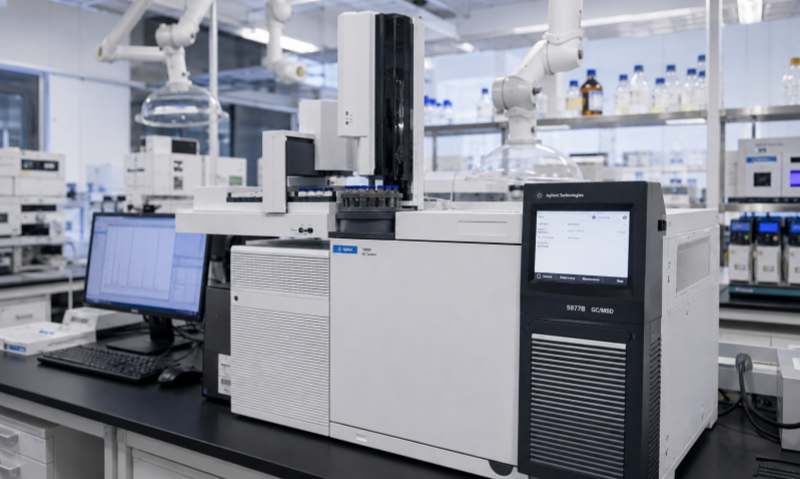
September 2026 — Total Organic Carbon (TOC) is an important analytical parameter used to monitor the quality of pharmaceutical water. The United States Pharmacopeia (USP) General Chapter <643> Total Organic Carbon establishes analytical principles and requirements for determining organic carbon levels in pharmaceutical water and evaluating the suitability of TOC measurement systems.
As pharmaceutical manufacturing increasingly emphasizes water quality, process control, and contamination monitoring, TOC analysis has become an important part of quality-control programs in pharmaceutical and biotechnology laboratories.
Total Organic Carbon refers to the amount of carbon present in organic compounds contained in a water sample. Organic substances can enter pharmaceutical water systems from source water, purification equipment, storage tanks, distribution piping, microorganisms, biofilms, and other potential sources.
Because pharmaceutical water is used in manufacturing, cleaning, formulation, and other critical processes, monitoring TOC can provide valuable information about changes in water-system performance.
TOC testing is particularly useful because it can detect relatively small changes in organic contamination and can be incorporated into both laboratory and online monitoring systems.
USP <643> provides a framework for TOC measurement in pharmaceutical water. It is applicable to water categories such as Bulk Purified Water and Water for Injection, as well as other water systems covered by applicable USP requirements.
The chapter focuses on the analytical procedure, instrument suitability, reagent water, reference solutions, and other factors that can affect TOC measurement.
TOC instruments used for pharmaceutical water analysis should have appropriate sensitivity and performance characteristics for the intended application. Instrument manufacturers and laboratories should also establish suitable calibration, verification, maintenance, and system-suitability procedures.
Although different TOC analyzers may use different technologies, the basic objective is to determine the amount of carbon originating from organic compounds.
In many analytical systems, organic compounds are oxidized to carbon dioxide. The generated carbon dioxide is then detected and quantified, allowing the instrument to calculate the corresponding organic carbon concentration.
One important analytical consideration is the presence of inorganic carbon. Carbon dioxide, bicarbonate, and carbonate can contribute to the total carbon content of a water sample but are not considered organic carbon.
Therefore, TOC analysis generally requires an appropriate method for separating or accounting for inorganic carbon.
Depending on the instrument technology, this may involve measuring total carbon and inorganic carbon separately and calculating TOC by difference, or removing inorganic carbon before the organic carbon measurement.
The quality of reagent water is an important factor in TOC analysis. Because pharmaceutical water samples can contain very low levels of organic carbon, contamination from reagent water, sample containers, tubing, laboratory equipment, or the surrounding environment can influence analytical results.
Laboratories should therefore pay close attention to the preparation, storage, and handling of reagent water.
USP <643> also describes the use of reference solutions for evaluating the performance of TOC analytical systems. These reference materials provide a controlled way to demonstrate that an instrument can respond appropriately to organic carbon at specified concentrations.
Proper system-suitability testing helps laboratories identify problems associated with instrument sensitivity, oxidation efficiency, contamination, or other analytical factors.
Sample collection is another important component of reliable TOC testing.
TOC concentrations in pharmaceutical water can be very low, meaning that inappropriate sampling containers or poor sample-handling practices may introduce contamination and produce artificially elevated results.
Laboratories should use suitable containers and establish consistent sampling procedures. Containers should be properly cleaned and handled to minimize the introduction of organic residues.
The sampling location should also be selected according to the laboratory's water-system monitoring strategy. For example, samples may be collected from water-generation systems, storage tanks, distribution loops, or points of use.
Consistent sampling procedures make it easier to compare results over time and identify meaningful changes in water quality.
TOC measurement can be performed using either online monitoring systems or laboratory-based instruments.
Online TOC analyzers can continuously monitor water quality and provide rapid information about changes within a water-generation or distribution system. This approach can be useful for facilities that require continuous process monitoring.
Laboratory TOC analyzers, meanwhile, provide flexibility for routine quality-control testing and investigation of individual sampling points.
The appropriate approach depends on the pharmaceutical manufacturing process, water-system design, monitoring strategy, and quality requirements of the facility.
TOC is an important water-quality parameter, but it should not be considered a direct replacement for microbiological or endotoxin testing.
Organic carbon can provide nutrients that support microbial growth, but TOC concentration alone does not establish the microbiological quality of pharmaceutical water.
For this reason, pharmaceutical water-quality programs generally combine TOC analysis with appropriate microbiological monitoring, endotoxin testing, conductivity, and other applicable quality attributes.
Using multiple complementary measurements provides a more comprehensive assessment of water-system performance.
Regular maintenance is essential for obtaining reliable TOC results.
Laboratories should follow the instrument manufacturer's maintenance recommendations and establish appropriate procedures for cleaning sample pathways, replacing consumable components, checking oxidation systems, inspecting tubing, and verifying detector performance.
Sudden increases in TOC results should not automatically be interpreted as evidence of contamination in the water system. Possible causes may include contaminated sample containers, reagent-water problems, instrument contamination, degraded consumables, inadequate oxidation, or analytical-system malfunction.
A systematic troubleshooting procedure can help laboratories distinguish between genuine changes in water quality and analytical problems.
For pharmaceutical manufacturers and quality-control laboratories, understanding USP <643> is important when establishing TOC testing procedures.
A reliable TOC program involves more than simply purchasing an analyzer. Laboratories should consider instrument qualification, method suitability, system suitability, calibration or verification, sample handling, reagent-water quality, maintenance, documentation, and data management.
As pharmaceutical production becomes increasingly automated and quality systems become more data-driven, TOC monitoring will continue to play an important role in pharmaceutical water management.
USP <643> provides a standardized framework for TOC analysis and helps laboratories establish consistent analytical practices. By understanding the principles of the chapter and implementing appropriate testing and maintenance procedures, pharmaceutical laboratories can improve the reliability of their water-quality monitoring programs and support consistent manufacturing operations.
Note: USP standards and general chapters may be revised periodically. Laboratories should always refer to the currently applicable official USP–NF requirements and relevant individual monographs when establishing or evaluating compliance procedures.