
Consultation Hotline
+1 (302) 618-8777
+1 (302) 618-8777
Current location:Home > Blogs > Industry News
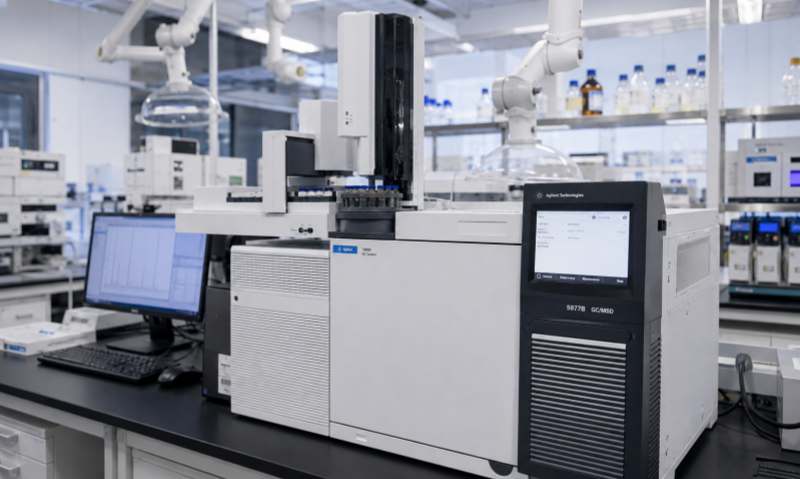
Agilent Technologies Advances Cell Analysis with Artificial Intelligence-Powered Imaging Solutions
Agilent Technologies has announced the introduction of a new artificial intelligence (AI) module designed to enhance the capabilities of the Agilent xCELLigence eSight system. The innovative AI-powered solution aims to simplify label-free imaging workflows, improve data interpretation, and help researchers gain deeper insights into complex cellular behaviors.
The xCELLigence eSight platform combines real-time cell analysis, impedance-based monitoring, and high-content imaging technologies to provide comprehensive information about cell health, morphology, proliferation, and function. By integrating AI capabilities into this advanced platform, Agilent is enabling researchers to analyze large volumes of imaging data more efficiently while reducing the complexity of manual image interpretation.
Traditional cell imaging workflows often require extensive optimization, fluorescent labeling steps, and time-consuming manual analysis. These challenges can limit research efficiency, especially in areas such as drug discovery, immuno-oncology, stem cell research, and cellular therapy development. The new AI module addresses these limitations by providing automated image analysis capabilities and intelligent recognition of cellular features without the need for additional labeling procedures.
The AI-powered technology supports researchers in extracting meaningful biological information from label-free images, helping identify cellular changes, treatment responses, and experimental trends with improved speed and consistency. By reducing dependence on manual evaluation, the solution can help laboratories increase productivity and improve confidence in experimental results.
One of the key advantages of AI-enhanced label-free imaging is its ability to preserve natural cellular conditions. Fluorescent dyes and external labels may sometimes influence cell behavior or introduce additional experimental steps. The integration of AI analysis with label-free imaging allows scientists to monitor cells in a more physiologically relevant environment while maintaining efficient data processing.
For pharmaceutical and biotechnology companies, the combination of xCELLigence eSight and AI technology provides valuable support throughout the drug development process. Researchers can monitor cellular responses to compounds in real time, evaluate toxicity profiles, and better understand mechanisms of action. This can accelerate decision-making during early-stage screening and reduce the time required to identify promising therapeutic candidates.
In academic research, the AI module offers a powerful tool for studying dynamic biological processes. From observing immune cell interactions to tracking changes in cell morphology, scientists can leverage automated analysis to explore complex cellular systems with greater precision.
Agilent continues to invest in digital technologies and intelligent laboratory solutions that help researchers overcome data analysis challenges. The introduction of the AI module for xCELLigence eSight reflects the company’s commitment to combining advanced instrumentation with artificial intelligence to create more efficient and accessible research workflows.
As life science research becomes increasingly data-driven, AI-powered analytical tools are expected to play a growing role in laboratory innovation. By simplifying label-free imaging and enhancing cellular analysis capabilities, Agilent’s latest development provides researchers with a smarter approach to understanding cell biology and accelerating scientific discoveries.
With the integration of artificial intelligence, the xCELLigence eSight platform represents a new generation of intelligent cell analysis solutions, offering researchers greater efficiency, improved accuracy, and expanded possibilities for future biomedical breakthroughs.