
Consultation Hotline
+1 (302) 618-8777
+1 (302) 618-8777
Current location:Home > Blogs > Industry News
Meta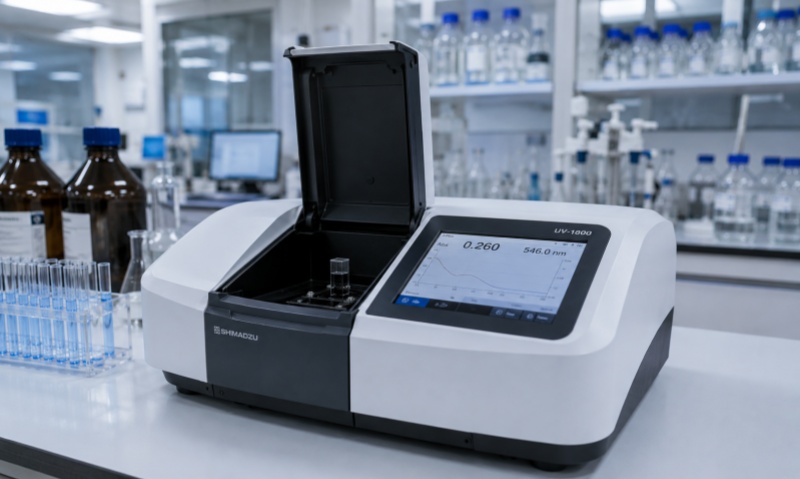 Description:
Discover how to choose the best color spectrophotometers and colorimeters for pharmaceutical quality control. Learn about key features, calibration methods, and practical tips to ensure accurate, reliable color measurements.
In pharmaceutical manufacturing, quality control (QC) is critical to ensuring product consistency, safety, and regulatory compliance. Color plays an important role in QC, as deviations in tablet, capsule, or solution color can indicate formulation issues, contamination, or degradation. Therefore, sourcing high-quality color measurement instruments, such as spectrophotometers and colorimeters, is essential for reliable color analysis. This article provides a comprehensive guide for selecting the best devices for pharmaceutical QC, covering technical considerations, calibration practices, and operational tips.
Color measurement instruments convert visual color perception into objective, reproducible numerical data. A color spectrophotometer measures the spectral reflectance or transmittance of a sample across a wide wavelength range, providing highly detailed color information. A colorimeter, on the other hand, is a simpler device that measures color using standard tristimulus values (e.g., CIE Lab*), offering rapid and user-friendly measurements.
Both devices are used extensively in pharmaceutical QC to ensure color consistency of raw materials, intermediate products, and finished goods. Accurate color measurement can help detect formulation deviations, maintain batch-to-batch consistency, and comply with regulatory standards such as USP <1062> or ISO 9001.
Measurement Accuracy and Repeatability
In pharmaceutical QC, precision is critical. Choose instruments with high accuracy (ΔE values typically below 0.1 for spectrophotometers) and excellent repeatability for consistent batch assessment. Devices should provide stable readings under varying environmental conditions, including temperature and humidity.
Sample Compatibility
Different pharmaceutical forms—tablets, capsules, liquids, powders—require specific measurement setups. Integrating accessory modules such as sphere holders, liquid cuvettes, or tablet holders ensures accurate and reproducible measurements for each product type.
Compliance and Validation Features
Instruments should support regulatory compliance with features like FDA 21 CFR Part 11 compatibility, calibration logging, and audit trails. Built-in SOP-guided measurement routines reduce human error and ensure adherence to QC protocols.
Ease of Use and Data Management
User-friendly interfaces, touchscreen controls, and software integration for data management can significantly improve workflow efficiency. The ability to export data in multiple formats (CSV, PDF, LIMS integration) is essential for reporting and documentation.
Calibration and Maintenance
Regular calibration using certified reference standards ensures measurement accuracy over time. Spectrophotometers may include automated wavelength calibration, while colorimeters often provide simple one-button calibration with standard tiles. Selecting devices with minimal maintenance requirements reduces operational downtime.
When sourcing color measurement instruments, vendor reliability and support are as important as technical specifications. Key considerations include:
Technical Support and Training: Vendors should offer on-site training, calibration services, and prompt technical support.
Warranty and Service Packages: Extended warranties and preventive maintenance services help protect your investment.
Industry Experience: Suppliers with experience in pharmaceutical QC understand regulatory requirements and can recommend optimal solutions.
A well-integrated color measurement system enhances QC efficiency. Standard operating procedures (SOPs) should define measurement conditions, sample preparation, and acceptance criteria. Instruments should be located in controlled environments to reduce variability, and operators should receive proper training to minimize user-related errors.
Combining spectrophotometers for high-precision measurements with colorimeters for rapid routine checks can optimize workflow while maintaining high QC standards. Data should be continuously monitored to detect trends, identify deviations early, and support corrective actions.
Selecting the right color spectrophotometer or colorimeter is a critical step for pharmaceutical quality control. Prioritizing measurement accuracy, sample compatibility, regulatory compliance, and vendor support ensures reliable and reproducible color assessment. By integrating these instruments effectively into QC workflows, pharmaceutical manufacturers can maintain consistent product quality, comply with regulatory standards, and reduce the risk of batch deviations.
Investing in high-quality, validated color measurement devices is not just a technical decision—it is an essential component of a robust pharmaceutical quality management system.