
Consultation Hotline
+1 (302) 618-8777
+1 (302) 618-8777
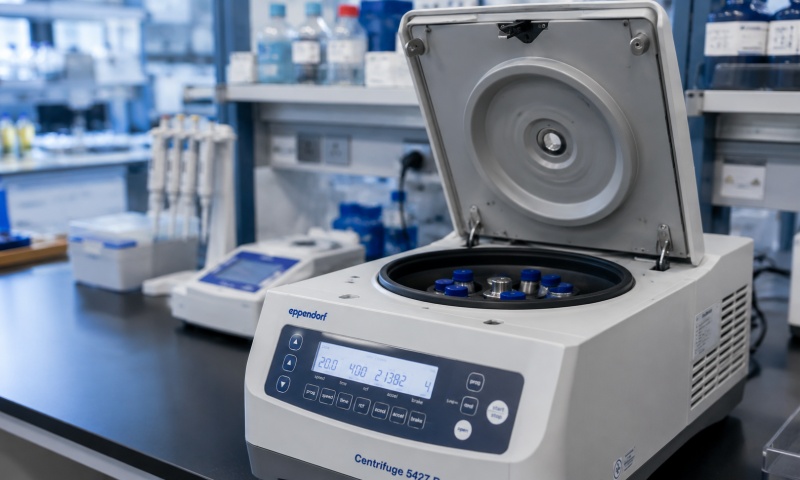
Laboratory centrifuges are essential instruments widely used in biotechnology, pharmaceutical research, clinical diagnostics, molecular biology, and chemical laboratories. They separate sample components according to differences in density by generating centrifugal force at high rotational speeds.
Common centrifuge applications include blood sample separation, cell harvesting, protein purification, DNA and RNA extraction, and microorganism collection.
Despite their reliable design, centrifuges may develop mechanical, electrical, or operational problems after prolonged use. Improper loading, insufficient maintenance, rotor damage, motor wear, and control system failures can all affect equipment performance.
Understanding common centrifuge faults and their troubleshooting methods helps laboratory technicians reduce downtime, protect samples, and extend equipment service life.
One of the most common problems is that the centrifuge does not start after the power switch is turned on.
Possible Causes:
Power cable is damaged or improperly connected.
Power supply voltage is unstable.
Main power switch or circuit breaker is defective.
Door safety interlock is not properly engaged.
Electronic control board has malfunctioned.
Troubleshooting Methods:
First, check whether the power outlet is functioning normally. Inspect the power cable, plug, and external connections for visible damage.
Second, confirm that the centrifuge door is completely closed. Most laboratory centrifuges are equipped with safety interlock systems that prevent operation when the lid is not securely locked.
If the power supply and door interlock are functioning correctly, qualified technicians should inspect the internal electrical connections, circuit breaker, and control board.
Never bypass the door safety interlock to force the centrifuge to operate.
Excessive vibration is another frequent problem, particularly during high-speed operation.
Possible Causes:
Samples are unevenly distributed.
Opposing tubes have different weights.
The rotor is improperly installed.
The centrifuge is placed on an unstable surface.
Rotor bearings or mechanical components are worn.
The rotor is damaged or deformed.
Troubleshooting Methods:
Stop the centrifuge immediately if abnormal vibration occurs.
Check the sample tubes and ensure that opposing positions are balanced according to the manufacturer's instructions. Tube weight should be balanced using an appropriate precision balance.
Inspect the rotor installation and confirm that it is securely mounted. Examine the rotor for corrosion, cracks, deformation, or other visible damage.
Check whether the centrifuge is installed on a stable, level laboratory bench.
If vibration continues after correcting sample balance and installation, inspect the drive system, bearings, and suspension components. A damaged rotor must not be reused.
When a centrifuge cannot reach its programmed rotational speed, separation efficiency may be reduced.
Possible Causes:
Motor performance has deteriorated.
Drive belt is loose or damaged.
Rotor load exceeds the recommended capacity.
Speed sensor is malfunctioning.
Motor control board is defective.
Electrical power supply is insufficient.
Troubleshooting Methods:
First, verify that the selected rotor is compatible with the centrifuge and that the sample load does not exceed the rated capacity.
For belt-driven models, inspect belt tension and condition. Replace worn or damaged belts with manufacturer-approved components.
For direct-drive models, technicians should inspect the motor, drive electronics, and speed feedback system.
If the displayed speed differs significantly from the actual rotational speed, check the speed sensor and controller calibration using approved procedures.
Abnormal noise during operation may indicate mechanical wear or an installation problem.
Possible Causes:
Motor bearings are worn.
Rotor is incorrectly installed.
Loose internal components are contacting moving parts.
Cooling fan is damaged.
Drive system components are deteriorating.
Troubleshooting Methods:
Stop the centrifuge and disconnect the power supply before inspection.
Check the rotor, rotor adapter, and mounting mechanism for loose connections or visible damage.
Inspect accessible fan components and mechanical assemblies for unusual wear.
If the noise originates from the motor or bearings, professional servicing may be necessary. Do not continue operating equipment that produces grinding, scraping, or impact sounds.
Sometimes the centrifuge completes its operating cycle but the lid remains locked.
Possible Causes:
Rotor has not completely stopped.
Door lock mechanism is malfunctioning.
Power interruption has affected the locking system.
Electronic control system has failed.
Emergency release mechanism requires attention.
Troubleshooting Methods:
First, confirm that the rotor has completely stopped. Never attempt to open the lid while the rotor is moving.
Check the equipment display for error messages and follow the manufacturer's unlocking procedure.
If the centrifuge has experienced a power failure, consult the service manual for the approved emergency lid-release procedure.
Never force the lid open or manually interfere with a rotating rotor.
Refrigerated centrifuges are widely used for temperature-sensitive biological samples. Temperature instability can compromise sample quality.
|
Common Problem |
Possible Cause |
Recommended Solution |
|---|---|---|
|
Temperature cannot decrease |
Refrigeration system failure |
Inspect compressor and refrigeration components |
|
Temperature fluctuates |
Temperature sensor malfunction |
Check sensor connections and calibration |
|
Excessive frost formation |
Door seal leakage or moisture accumulation |
Inspect gasket and defrost according to instructions |
|
Poor cooling efficiency |
Condenser contamination |
Clean condenser according to the service manual |
|
Abnormal compressor operation |
Electrical or refrigeration fault |
Arrange professional inspection |
Technicians should also inspect condenser ventilation, door sealing, and temperature sensor performance.
Refrigeration circuit repairs should only be performed by qualified refrigeration technicians.
Modern centrifuges use electronic control systems to manage rotational speed, running time, temperature, acceleration, and braking.
Common problems include abnormal display readings, unresponsive buttons, unexpected shutdowns, and error codes.
Troubleshooting should begin by recording the displayed error code and checking the manufacturer's technical documentation.
Inspect external power connections and verify that the operating environment meets the equipment specifications.
If the problem persists, qualified technicians should examine the control board, power supply module, wiring harnesses, and sensor feedback circuits.
Avoid replacing electronic components without identifying the underlying fault.
Regular preventive maintenance is essential for maintaining centrifuge performance and operational safety.
|
Maintenance Frequency |
Recommended Inspection |
|---|---|
|
Daily |
Check operating noise, rotor condition, and chamber cleanliness |
|
Weekly |
Clean the chamber, inspect adapters, and check the lid seal |
|
Monthly |
Inspect rotor mounting components and external electrical connections |
|
Every 3–6 Months |
Check speed accuracy, temperature performance, and mechanical condition |
|
Annually |
Perform comprehensive inspection, safety testing, and preventive servicing |
Rotor maintenance deserves particular attention. Clean and dry rotors after use according to manufacturer instructions. Inspect them regularly for corrosion, cracks, and material deterioration. Observe the specified rotor service life and maximum allowable speed.
Centrifuge failures can affect laboratory efficiency, sample integrity, and operational safety. Common problems include startup failures, excessive vibration, abnormal noise, insufficient rotational speed, lid-lock malfunctions, and refrigeration system faults.
By following systematic troubleshooting procedures, laboratory technicians can identify potential problems and take appropriate corrective action.
Regular cleaning, rotor inspection, sample balancing, speed verification, and preventive maintenance are essential for reliable centrifuge operation.
For laboratories using centrifuges from manufacturers such as Eppendorf, Thermo Fisher Scientific, Beckman Coulter, Hettich, and Sigma, professional maintenance and repair services can help restore equipment performance, reduce unexpected downtime, and extend the service life of valuable laboratory instruments.