
Consultation Hotline
+1 (302) 618-8777
+1 (302) 618-8777
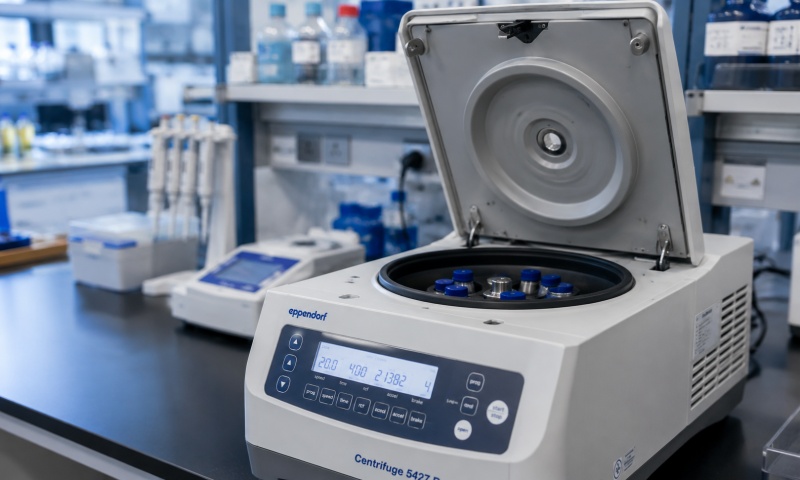
Centrifuges are essential laboratory instruments widely used in clinical diagnostics, pharmaceutical research, biotechnology, chemical analysis, and life sciences. By generating centrifugal force, these instruments separate samples according to differences in density and particle size. Different types of centrifuges, including benchtop centrifuges, refrigerated centrifuges, high-speed centrifuges, and ultracentrifuges, are designed for specific laboratory applications.
During long-term operation, centrifuges may develop mechanical, electrical, temperature-control, and operational problems. These faults can affect separation efficiency, sample safety, and laboratory productivity. Understanding common centrifuge failures and their causes is essential for effective troubleshooting and preventive maintenance.
This article discusses common centrifuge faults, diagnostic methods, repair considerations, and maintenance recommendations.
A centrifuge that fails to start is one of the most common equipment problems.
Possible causes:
Power supply interruption.
Damaged power cable or loose electrical connection.
Blown fuse or tripped circuit breaker.
Faulty door safety interlock.
Emergency stop button activated.
Main control board malfunction.
Troubleshooting methods:
First, check whether the power supply is normal and confirm that the power cable is properly connected. Inspect the emergency stop button and make sure it has been released.
Next, check whether the centrifuge lid is completely closed. Most modern centrifuges have safety interlock systems that prevent operation when the lid is not properly secured.
If the instrument still cannot start, a qualified technician should inspect the electrical connections, fuses, control board, and safety circuits.
Never bypass the door interlock system to force the centrifuge to operate.
Abnormal vibration is a serious centrifuge fault that should be addressed immediately.
Common causes include:
Unbalanced sample tubes.
Incorrect sample loading.
Damaged or improperly installed rotor.
Worn rotor bearings.
Damaged drive shaft.
Loose internal mechanical components.
Rotor damage or corrosion.
Solutions:
Stop the centrifuge immediately if abnormal vibration occurs. Allow the rotor to stop completely before opening the lid.
Check whether the sample tubes are balanced according to the rotor manufacturer's requirements. Samples should be distributed symmetrically, with appropriate balancing based on mass and tube configuration.
Inspect the rotor for visible damage, corrosion, cracks, or deformation. Confirm that it is correctly installed and securely fastened.
If vibration continues despite correct sample balancing, inspect the drive system and mechanical components through qualified service personnel.
Operating a centrifuge with severe vibration may cause equipment damage and create significant safety risks.
A centrifuge that cannot reach its programmed rotational speed may produce inconsistent experimental results.
Possible causes:
Motor performance deterioration.
Excessive rotor loading.
Incorrect speed settings.
Drive belt wear in belt-driven systems.
Motor controller malfunction.
Bearing damage.
Electrical supply abnormalities.
Troubleshooting procedures:
Check whether the selected rotor is compatible with the programmed speed. Different rotors have different maximum allowable speeds.
Next, verify that the sample load does not exceed the manufacturer's specified limits.
If the speed remains unstable or significantly below the setpoint, the motor, speed sensor, drive system, and electronic controller may require professional inspection.
Do not attempt to exceed the rotor's rated maximum speed.
Unusual sounds, including grinding, knocking, squealing, or intermittent mechanical noise, may indicate an internal problem.
Common causes include:
Worn motor bearings.
Rotor imbalance.
Loose rotor installation.
Foreign objects inside the chamber.
Damaged drive components.
Contact between moving and stationary parts.
Stop the instrument and inspect the rotor chamber after the rotor has completely stopped.
Remove any loose foreign objects and check the rotor installation. If abnormal noise continues, professional inspection of the motor bearings, drive shaft, and mechanical assembly is recommended.
Never continue operating a centrifuge that produces unexplained mechanical noise.
Refrigerated centrifuges are commonly used for biological samples, proteins, enzymes, and temperature-sensitive materials.
Typical problems include failure to reach the target temperature, slow cooling, excessive temperature fluctuations, or abnormal compressor operation.
Possible causes:
Dirty condenser.
Insufficient ventilation.
Refrigeration system leakage.
Compressor malfunction.
Faulty temperature sensor.
Cooling fan failure.
Refrigeration control system malfunction.
Maintenance methods:
Check whether the condenser is clean and whether the cooling ventilation openings are unobstructed.
Verify the temperature settings and allow sufficient time for the chamber to reach the target temperature.
If cooling performance remains abnormal, a qualified refrigeration technician should inspect the compressor, refrigerant circuit, cooling fan, and temperature control system.
Do not open or repair a pressurized refrigerant circuit without appropriate qualifications.
A centrifuge lid that cannot open may result from a safety lock issue or an abnormal operating condition.
Possible causes include:
Rotor has not completely stopped.
Door locking mechanism failure.
Power interruption.
Faulty lid sensor.
Electronic control system malfunction.
First, check the instrument display to confirm whether the rotor has stopped completely.
Follow the manufacturer's emergency lid-release procedure if power failure has occurred. Never force the lid open while the rotor is moving.
If the lid remains locked, contact a qualified service technician.
Modern centrifuges use electronic control systems to monitor speed, temperature, operating time, and safety conditions.
Common abnormalities include error codes, unresponsive buttons, display failures, and unexpected shutdowns.
Possible causes include unstable power supply, damaged wiring, faulty sensors, control board problems, or software-related errors.
Record the displayed error code and consult the manufacturer's technical manual before troubleshooting.
If restarting the instrument does not resolve the problem, professional diagnostic testing may be necessary.
Preventive maintenance is essential for extending centrifuge service life and maintaining operational safety.
| Component | Maintenance Recommendations |
|---|---|
| Rotor | Inspect regularly for cracks, corrosion, and deformation |
| Sample chamber | Clean and dry after use |
| Motor | Monitor unusual noise and vibration |
| Bearings | Inspect according to manufacturer requirements |
| Door lock | Check safety interlock operation |
| Cooling system | Clean condenser and ventilation areas |
| Temperature sensor | Verify measurement accuracy |
| Control panel | Check display and operating functions |
| Electrical system | Inspect cables and connections |
| Rotor accessories | Check adapters and tube compatibility |