
Consultation Hotline
+1 (302) 618-8777
+1 (302) 618-8777
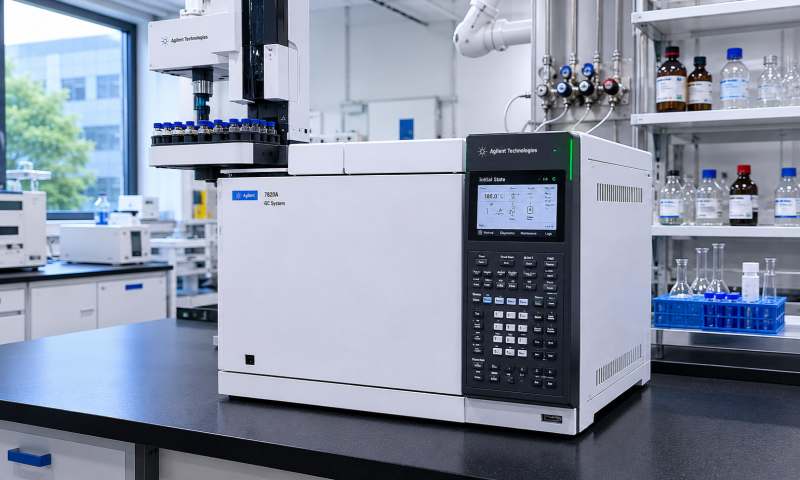
A recirculating cooling water chiller is an important piece of auxiliary equipment in laboratories, analytical facilities, pilot plants, and industrial production environments. It continuously circulates temperature-controlled water or another approved heat-transfer fluid through external equipment to remove excess heat and maintain stable operating temperatures. It is commonly used with rotary evaporators, reactors, laser systems, analytical instruments, vacuum equipment, and other devices requiring reliable cooling.
A recirculating chiller generally operates according to the vapor-compression refrigeration cycle. The main components include a compressor, condenser, expansion device, evaporator, circulation pump, temperature controller, reservoir, and associated piping.
During operation, the compressor compresses low-pressure refrigerant vapor into a high-temperature, high-pressure gas. The refrigerant then flows through the condenser, where heat is released to the surrounding air or cooling medium and the refrigerant changes into a high-pressure liquid.
The liquid refrigerant passes through the expansion device, such as a capillary tube or electronic expansion valve. Its pressure and temperature decrease rapidly. The low-temperature refrigerant then enters the evaporator and absorbs heat from the circulating water. As the water loses heat, its temperature decreases.
The circulation pump sends the cooled water from the reservoir to the connected equipment. After absorbing heat from the equipment, the warmer water returns to the chiller reservoir or heat exchanger. The refrigeration system removes this heat again, creating a continuous cooling cycle.
The temperature controller monitors the circulating fluid and regulates compressor operation, fan speed, or other control components to maintain the preset temperature.
The primary function of a recirculating chiller is to provide stable and continuous cooling. Compared with single-pass tap-water cooling, a closed-loop circulation system can significantly reduce water consumption and provide more consistent temperature control.
In laboratories, chillers can help control the temperature of reaction vessels, condensers, lasers, vacuum pumps, and other heat-generating equipment. Stable cooling can improve experimental repeatability and protect sensitive components from overheating.
Some advanced chillers also provide programmable temperature control, digital displays, alarm functions, flow monitoring, over-temperature protection, and low-level protection. These features help operators identify abnormal conditions before they cause equipment damage.
Regular maintenance is essential for maintaining cooling efficiency. Before maintenance, disconnect the power supply and allow the equipment to return to a safe temperature.
First, inspect the condenser and ventilation openings. Dust accumulation can restrict airflow and reduce heat dissipation, causing the compressor to operate for longer periods and potentially increasing energy consumption. Clean the condenser surface periodically using appropriate methods without damaging the fins.
Check the circulating pump for abnormal noise, vibration, leakage, or reduced flow. A sudden decrease in flow may indicate a blocked filter, damaged pump, air trapped in the circulation line, or insufficient fluid level.
Inspect hoses, connectors, valves, and seals for leakage or aging. Cracked or hardened tubing should be replaced promptly. The water reservoir should also be cleaned periodically to prevent deposits, biological growth, or contamination.
If the chiller uses a filter, clean or replace it according to the manufacturer's maintenance schedule. Refrigeration performance should also be monitored. If the unit runs continuously but cannot reach the set temperature, possible causes include a dirty condenser, insufficient ventilation, excessive heat load, insufficient refrigerant, or a refrigeration-system fault.
Refrigerant charging and sealed-system repairs should be performed by qualified technicians using appropriate equipment and procedures.
Before filling, confirm the manufacturer's requirements for the appropriate circulating liquid. Do not automatically use ordinary tap water, because dissolved minerals can cause scale, corrosion, or deposits inside the circulation system. Depending on the application and manufacturer's recommendations, deionized water, distilled water, or a specified heat-transfer fluid may be suitable.
Switch off the chiller before filling. Open the reservoir according to the equipment instructions and add the approved fluid slowly. Do not exceed the maximum liquid-level mark. At the same time, avoid operating the system below the minimum liquid level, as insufficient fluid may cause pump damage or poor circulation.
After filling, connect the external cooling hoses securely. Check the supply and return lines for correct connections and make sure there are no sharp bends or blockages.
Start the circulation function and observe the fluid level and flow. Air trapped in the system may cause unstable flow or abnormal pump noise. If the equipment provides an air-purge or circulation mode, follow the manufacturer's procedure to remove trapped air.
Set the desired temperature and allow the chiller to stabilize before starting the connected equipment. During operation, monitor temperature, flow, liquid level, and alarm indications.
Common problems include failure to reach the set temperature, insufficient circulation, abnormal pump noise, water leakage, high-temperature alarms, and compressor shutdown. Troubleshooting should begin with simple factors such as liquid level, hose connections, ventilation, condenser cleanliness, and external heat load.
Never block the air inlet or outlet. Do not exceed the rated cooling capacity, and avoid connecting equipment whose heat load is beyond the chiller's specifications. When abnormal odors, smoke, severe vibration, refrigerant leakage, or electrical faults occur, stop the equipment immediately and seek professional service.
In summary, a recirculating cooling water chiller combines refrigeration and fluid circulation to provide stable heat removal. Correct filling, regular cleaning, proper flow management, and timely maintenance are essential for reliable performance. With appropriate operation and preventive maintenance, the chiller can provide efficient and stable cooling for laboratory and industrial applications over an extended service life.