
Consultation Hotline
+1 (302) 618-8777
+1 (302) 618-8777
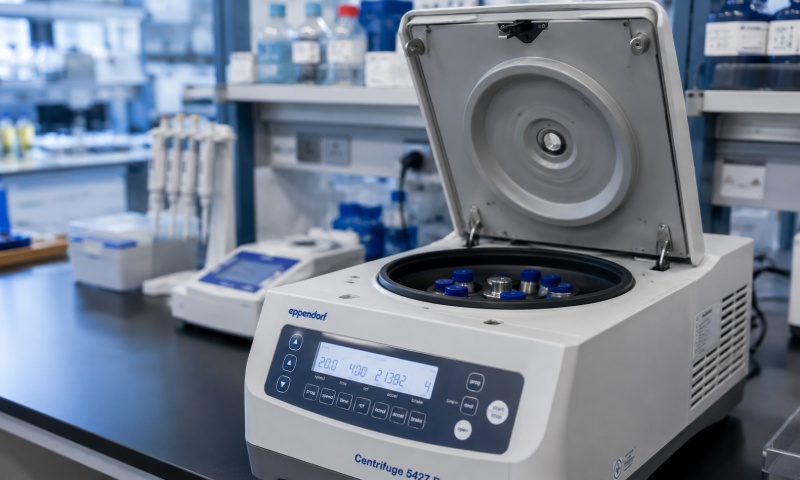
Mini centrifuges are widely used in laboratories because of their compact size, simple operation, and ability to provide rapid sample separation. Although these instruments are generally reliable, oil-related abnormalities can occur in certain oil-lubricated or oil-containing systems. Three problems deserve particular attention: abnormal oil temperature, abnormal oil level, and oil leakage. Have you encountered these faults before? Understanding their causes and troubleshooting methods can help prevent equipment damage and improve laboratory safety.
An unusual oil temperature is often one of the earliest signs of a mechanical or lubrication problem. If the oil temperature rises significantly above the normal operating range, several factors should be investigated.
The first possibility is excessive friction. Worn bearings, damaged rotating components, insufficient lubrication, or misalignment can increase mechanical resistance. The motor must then work harder, generating additional heat that may be transferred to the oil.
Another common cause is prolonged continuous operation. Although a mini centrifuge is designed for frequent use, operating it continuously at high speed can cause heat accumulation, particularly when ventilation around the instrument is inadequate. A laboratory environment with high ambient temperature can make the problem worse.
Abnormal oil temperature may also result from incorrect oil selection. Oil with an unsuitable viscosity may fail to provide adequate lubrication or may create excessive resistance during operation. Therefore, users should always follow the manufacturer's specifications when replacing or adding oil.
When abnormal temperature is detected, stop the centrifuge and allow it to cool naturally. Check the ventilation openings, operating duration, rotor condition, bearings, and lubrication system. If the temperature rises again shortly after restarting, continued operation should be avoided until the cause has been identified.
Oil level abnormalities can generally be divided into two situations: oil level that is too low and oil level that is too high.
A low oil level may indicate gradual evaporation, improper maintenance, or an unnoticed leak. Insufficient oil can reduce lubrication performance and increase friction between moving components. In severe cases, this may accelerate bearing wear and cause overheating or abnormal noise.
An excessively high oil level can be equally problematic. Too much oil may increase internal resistance, cause splashing during operation, and contribute to temperature increases. It can also place additional pressure on seals and increase the possibility of leakage.
When checking the oil level, the centrifuge should be powered off and positioned according to the manufacturer's maintenance instructions. Never estimate the correct level simply by appearance. Use the specified inspection method or level indicator whenever available.
If oil must be added, use the correct lubricant and add it gradually. Mixing different oil types should generally be avoided unless compatibility has been confirmed. After maintenance, carefully inspect the instrument for signs of leakage before returning it to normal operation.
Oil leakage is another important fault that should never be ignored. Leakage may occur around seals, gaskets, oil ports, inspection covers, bearings, or damaged housing components.
Aged or hardened seals are a frequent cause. Repeated heating and cooling cycles, vibration, and long-term operation can cause sealing materials to lose elasticity. Loose fasteners or damaged gaskets can produce similar symptoms.
Oil leakage may also be caused by excessive internal pressure, overfilling, improper assembly, or mechanical damage. In some cases, oil may accumulate beneath the centrifuge and initially appear to be a minor maintenance issue. However, leaked oil can enter electrical components, contaminate the laboratory work surface, and create a potential slipping or electrical hazard.
Once leakage is discovered, stop the centrifuge immediately and disconnect the power supply. Clean the external oil carefully and identify the approximate leakage location. Do not simply add more oil and continue operating the instrument. The defective seal, gasket, connection, or damaged component should be repaired or replaced.
The best way to prevent these three faults is regular inspection. Before operation, users should check for abnormal noise, vibration, oil stains, unusual temperature, and changes in the oil level. The centrifuge should be installed on a stable, level surface with sufficient ventilation.
Scheduled maintenance should include inspection of bearings, seals, fasteners, lubrication conditions, and rotating components. Operating the centrifuge within its specified speed, load, and duty cycle is also essential.
In conclusion, abnormal oil temperature, abnormal oil level, and oil leakage are three warning signs that should receive prompt attention. Early diagnosis can prevent minor lubrication problems from developing into bearing failure, motor damage, or more expensive repairs. For laboratory personnel, establishing a simple inspection routine and following the manufacturer's maintenance requirements are among the most effective ways to keep a mini centrifuge safe, stable, and reliable.