
Consultation Hotline
+1 (302) 618-8777
+1 (302) 618-8777
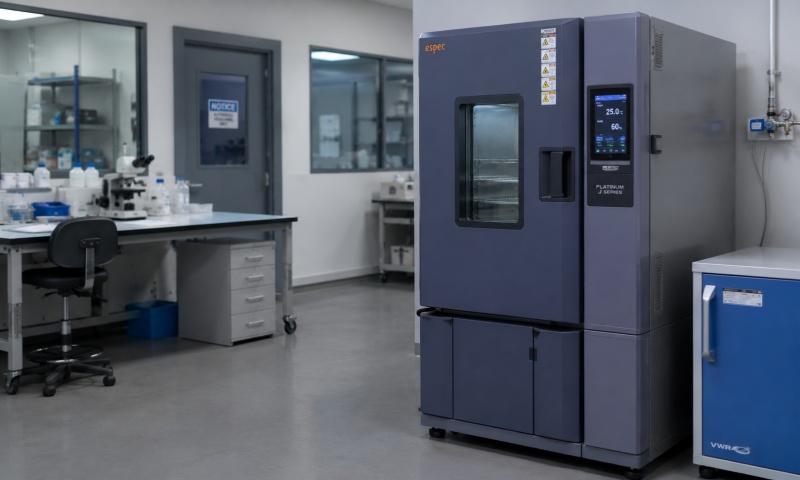
A microwave sintering furnace uses microwave energy to heat materials through dielectric losses, offering rapid heating, improved energy efficiency, and good temperature uniformity for many ceramic, powder-metallurgy, and advanced-material applications. Proper operation and maintenance are essential for stable sintering results and equipment safety.
Before operation, inspect the furnace chamber, microwave generator, waveguide, temperature sensor, cooling system, and electrical connections. Make sure the chamber is clean and free of conductive foreign objects. Do not place metallic materials inside the microwave cavity unless the furnace manufacturer specifically provides a suitable configuration. Improper metal placement may cause arcing, equipment damage, or fire.
The sample should be compatible with microwave heating. Different materials absorb microwave energy differently, so excessive heating rates may cause thermal gradients, cracking, or uneven sintering. Use the recommended heating rate, holding temperature, and cooling procedure specified by the process or equipment manufacturer.
Sintering boats or crucibles provide mechanical support and protect samples during heating. Common materials include alumina, quartz, zirconia, silicon carbide, and other refractory ceramics. Alumina boats are widely used because of their high-temperature resistance and chemical stability. Silicon-carbide-based susceptors may be used when additional microwave absorption is required.
The boat material should be selected according to the sample composition, maximum temperature, atmosphere, and potential chemical reactions. Avoid using a boat that can react with the sample or introduce contamination.
Before use, inspect the boat for cracks, deformation, contamination, and excessive wear. Place samples evenly inside the boat and avoid overloading. The boat should be positioned according to the furnace manufacturer's recommended location to promote uniform microwave coupling and temperature distribution.
For new boats or unfamiliar materials, gradual heating is recommended to reduce thermal shock. Allow the boat to cool sufficiently before handling it, and use appropriate heat-resistant tools and personal protective equipment.
After each operation, remove powder residues and deposits from the furnace chamber and boat. Avoid aggressive mechanical cleaning that could damage ceramic surfaces or insulation. Periodically inspect the microwave cavity, waveguide, door seal, cooling system, thermocouple, and insulation.
Common problems include uneven heating, abnormal temperature readings, arcing, slow temperature rise, and unexpected shutdowns. Uneven heating may result from improper sample placement, unsuitable susceptors, or degraded insulation. Abnormal temperature readings may indicate sensor damage or poor positioning. Arcing requires immediate shutdown and inspection for conductive contamination or inappropriate materials.
Regular inspection, correct boat selection, controlled heating and cooling, and timely replacement of damaged components can significantly improve furnace reliability, extend service life, and ensure consistent sintering quality.