
Consultation Hotline
+1 (302) 618-8777
+1 (302) 618-8777
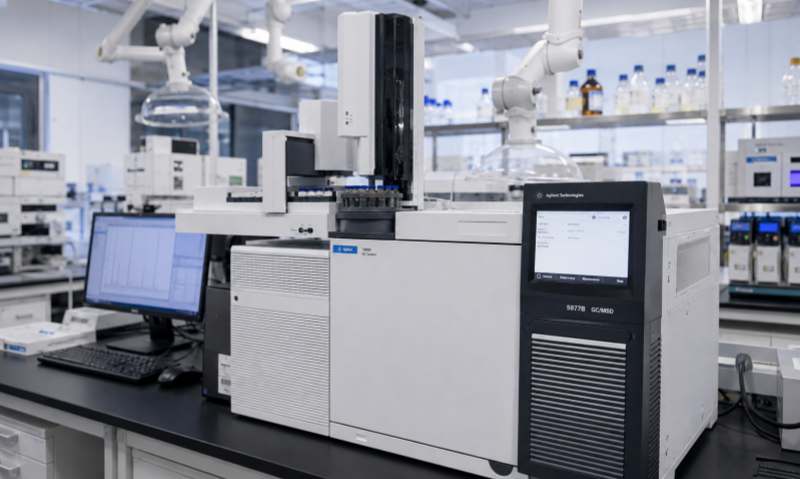
Quantitative repeatability is a critical performance indicator for a gas chromatography (GC) system. When repeated injections of the same sample produce significantly different peak areas or calculated concentrations, the problem may originate from sample preparation, injection, gas supply, the column, detector, or data-processing parameters. A systematic troubleshooting process can help identify the root cause quickly.
Sample preparation is one of the most common causes of poor quantitative repeatability. Ensure that samples and standards are completely dissolved, properly mixed, and stored under appropriate conditions. Volatile components may evaporate during prolonged storage, changing the actual concentration. Use clean vials, consistent sample volumes, and fresh standards when necessary.
An unstable injector can cause significant variations in peak area. Check the syringe for blockage, leakage, or mechanical damage. An automatic sampler should move smoothly and deliver the same injection volume each time. Replace worn syringe components and inspect the septum and liner for contamination or damage. A dirty liner or partially blocked inlet can also cause inconsistent vaporization.
Unstable carrier-gas pressure or flow can affect retention time and detector response. Check regulators, gas lines, filters, and electronic pressure-control systems for leaks or instability. Make sure the carrier gas is sufficiently pure and that the supply pressure remains stable throughout the analysis.
Column contamination, active sites, leaks, or improper installation can lead to unstable peak shapes and responses. Inspect the column connections and ferrules, and verify that the column is installed at the correct insertion depth. If contamination is suspected, appropriate column conditioning or replacement may be required.
Detector contamination, unstable gas flows, incorrect temperatures, or insufficient equilibration can produce variable responses. For FID systems, check hydrogen, air, and makeup-gas flows and confirm that the flame remains stable. Other detectors should also be checked according to their operating requirements.
Confirm that oven temperature, inlet temperature, detector temperature, split ratio, injection volume, and acquisition settings remain unchanged between runs. Incorrect integration parameters can also appear as poor quantitative repeatability even when the chromatographic peaks are stable.
Poor GC quantitative repeatability should be investigated systematically rather than by replacing components randomly. Start with sample preparation and injection performance, then check gas flow, column condition, detector stability, and data processing. Regular maintenance, leak testing, calibration, and consistent operating procedures can significantly improve quantitative reliability and ensure reproducible analytical results.