
Consultation Hotline
+1 (302) 618-8777
+1 (302) 618-8777
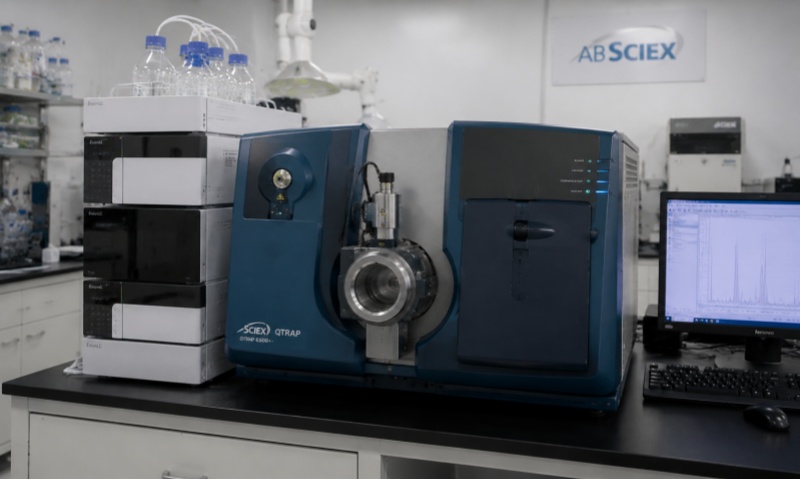
Gas chromatography (GC) is one of the most important analytical techniques used in pharmaceutical, environmental, food safety, petrochemical, and chemical testing laboratories. The accuracy of GC analysis depends not only on instrument sensitivity and separation efficiency but also on the stability of the chromatographic baseline and the ability to detect all target peaks.
Baseline instability, excessive noise, drifting signals, and unexpected peak loss are among the most common problems encountered during GC operation. These issues can lead to inaccurate quantitative results, poor reproducibility, and incorrect analytical conclusions. Understanding the causes of baseline problems and missing peaks is essential for efficient troubleshooting and routine instrument maintenance.
Baseline drift refers to a continuous increase or decrease in detector response during analysis. It is often observed during temperature programming or long analytical runs.
Common causes include:
Column temperature instability
Contaminated chromatographic column
Detector temperature fluctuations
Carrier gas flow instability
Excessive column bleed
Aging or damaged columns may release stationary phase materials at high temperatures, creating an increasing background signal. In this situation, column conditioning or replacement may be required.
Baseline noise appears as irregular fluctuations in detector signals and can reduce detection sensitivity, especially for trace-level compounds.
Possible causes include:
Contaminated detector components
Impure carrier gas
Electrical interference
Unstable gas flow
Dirty injector system
For detectors such as FID, ECD, and TCD, gas purity has a significant impact on baseline quality. Using high-purity carrier gases and regularly replacing gas filters can greatly reduce noise.
Regular repeating baseline disturbances usually indicate mechanical or gas supply problems.
Potential causes include:
Pressure regulator instability
Gas cylinder pressure changes
Flow controller malfunction
Cooling fan vibration
Electrical interference from external equipment
Checking gas pressure stability and instrument grounding is often an effective first step.
Peak loss means that expected chromatographic peaks disappear, become extremely small, or cannot be reliably identified. This problem may originate from sample preparation, injection, separation, or detection systems.
The injector is the first critical point where sample errors may occur.
Common causes include:
If the injection volume is too small, low-concentration compounds may fall below the detection limit.
A leaking septum, loose fitting, or damaged liner can cause sample loss before entering the column.
Symptoms include:
Reduced peak areas
Poor reproducibility
Missing peaks
Solutions:
Replace aging septa
Check injector connections
Confirm correct liner installation
Residues inside the liner or inlet can adsorb target compounds, especially active compounds and polar molecules.
Maintenance methods:
Replace contaminated liners
Clean injector parts
Use appropriate inlet temperature settings
The column is the core separation component of GC analysis.
Possible causes of peak loss include:
Contaminants may block active sites and prevent compounds from passing through normally.
Symptoms:
Reduced peak response
Peak tailing
Poor separation
Solutions:
Perform column conditioning
Remove contaminated sections when possible
Replace severely damaged columns
A broken column or improper connection can cause sample components to disappear before reaching the detector.
Inspection points:
Check column connections
Verify ferrule installation
Inspect for leaks
Stable carrier gas flow is essential for reproducible GC analysis.
Problems may occur due to:
Low gas pressure
Empty gas cylinder
Blocked gas purification filter
Faulty electronic pressure control system
Incorrect flow rates can change retention times and cause peaks to shift or disappear.
Recommended actions:
Verify carrier gas supply
Check pressure settings
Replace gas filters regularly
Calibrate flow controllers
A detector malfunction can directly cause peak loss.
Common problems:
No flame ignition
Incorrect hydrogen/air ratio
Dirty jet
Contaminated detector
Solutions:
Check gas supply
Clean detector components
Verify ignition conditions
Possible causes:
Detector contamination
Gas purity problems
Reduced detector sensitivity
ECD systems require careful maintenance and controlled operating conditions.
Peak loss may result from:
Ion source contamination
Poor vacuum performance
Incorrect tuning parameters
Low detector sensitivity
Regular tuning and source cleaning are important for stable GC-MS operation.
When baseline problems or missing peaks occur, troubleshooting should follow a logical sequence:
Confirm:
Correct sample preparation
Proper concentration
No degradation during storage
Check:
Injector temperature
Septum condition
Liner cleanliness
Injection volume accuracy
Inspect:
Carrier gas pressure
Gas purity
Flow stability
Leak conditions
Check:
Column contamination
Column aging
Installation condition
Verify:
Detector temperature
Gas supply
Signal response
Calibration status
Gas chromatography baseline instability and peak loss are common but complex problems involving multiple instrument components. The causes may include contaminated columns, unstable carrier gas flow, injector problems, detector failures, or improper operating conditions.
Effective troubleshooting requires a systematic approach that evaluates the sample, injection system, gas supply, column, and detector step by step. Regular preventive maintenance, including cleaning, calibration, gas filter replacement, and performance verification, can significantly improve GC reliability.
By maintaining stable baseline performance and ensuring accurate peak detection, laboratories can achieve higher analytical precision, better reproducibility, and more reliable testing results in routine GC applications.