Consultation Hotline
+1 (302) 618-8777
+1 (302) 618-8777
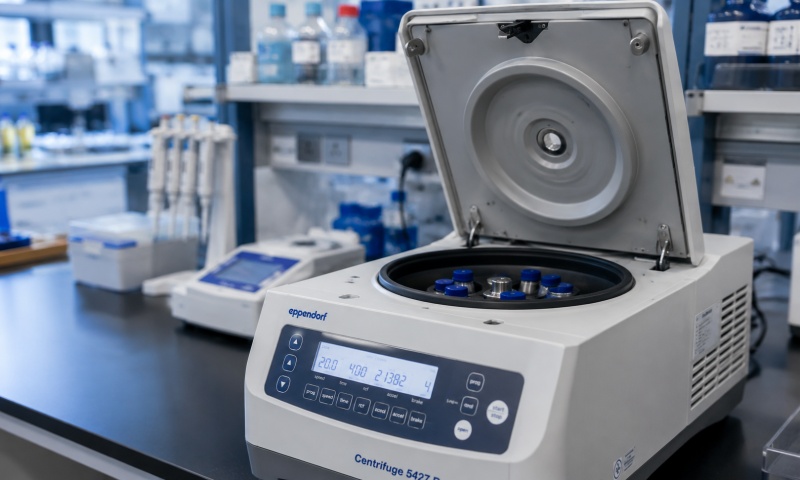
An intelligent digestion system is an advanced laboratory sample preparation instrument designed to improve the efficiency, accuracy, and safety of chemical digestion processes. It is widely used in environmental analysis, food testing, pharmaceutical research, geological analysis, agriculture, metallurgy, and academic laboratories. Compared with traditional manual heating digestion methods, intelligent digestion systems provide automated temperature control, precise operation, improved reproducibility, and reduced operator workload. The following are seven important reasons why modern laboratories choose intelligent digestion systems.
The first reason is high-precision temperature control. Temperature is a critical factor affecting digestion efficiency and analytical accuracy. Intelligent digestion systems use advanced heating technologies and precise temperature sensors to achieve uniform and stable heating conditions. The system can accurately control heating rates, digestion temperatures, and holding times, ensuring complete sample decomposition and improving the reliability of subsequent analysis results.
The second reason is automated operation and improved efficiency. Traditional digestion methods require continuous manual monitoring, which is time-consuming and labor-intensive. Intelligent digestion systems allow users to set digestion programs according to different sample types and automatically complete heating, timing, temperature adjustment, and cooling procedures. This automation enables laboratory personnel to process multiple samples simultaneously and significantly increases overall productivity.
The third reason is excellent reproducibility and analytical accuracy. Manual digestion processes are often affected by operator experience and environmental factors, leading to inconsistent results. Intelligent systems use programmed procedures and standardized operating conditions to minimize human errors. Consistent digestion conditions improve sample preparation quality and provide more accurate analytical results for instruments such as ICP-MS, ICP-OES, AAS, and other analytical platforms.
The fourth reason is enhanced laboratory safety. Digestion processes often involve strong acids, high temperatures, and potentially hazardous chemical reactions. Intelligent digestion systems reduce direct operator contact with chemicals through closed or semi-closed digestion designs. Many models include safety features such as overheating protection, abnormal temperature alarms, automatic shutdown functions, and corrosion-resistant materials, creating a safer working environment.
The fifth reason is energy efficiency and cost reduction. Modern intelligent digestion systems are designed with optimized heating technology and intelligent power management. Compared with traditional hot plates or open heating methods, they can reduce energy consumption while maintaining efficient digestion performance. Faster digestion cycles also help reduce labor costs and improve laboratory resource utilization.
The sixth reason is flexible application capability. Intelligent digestion systems can support various sample types, including soil, water, food, biological samples, pharmaceuticals, metals, and environmental materials. Users can create customized digestion programs according to different sample characteristics, acid combinations, and analytical requirements. This flexibility makes the equipment suitable for diverse laboratory applications.
The seventh reason is easy operation and intelligent management. Many advanced digestion systems are equipped with touchscreen interfaces, preset digestion methods, data recording functions, and remote monitoring capabilities. Operators can easily select programs, monitor real-time status, and store experimental parameters. Intelligent software management improves workflow organization and supports laboratory quality management requirements.
In conclusion, choosing an intelligent digestion system provides laboratories with significant advantages in accuracy, efficiency, safety, and automation. By improving sample preparation consistency and reducing operational complexity, these systems help laboratories achieve higher analytical performance and meet the increasing demands of modern scientific research and industrial testing. For laboratories using advanced analytical instruments, an intelligent digestion system is an essential tool for improving overall testing quality and productivity.