
Consultation Hotline
+1 (302) 618-8777
+1 (302) 618-8777
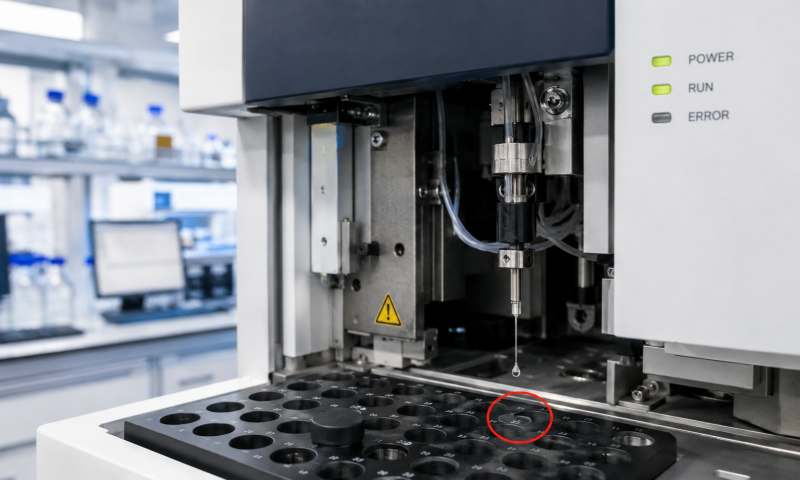
A turbo molecular pump (TMP) is a high-performance vacuum pump widely used in high and ultra-high vacuum systems, including mass spectrometers, electron microscopes, semiconductor manufacturing equipment, vacuum coating systems, and scientific research instruments. Due to its advantages of high pumping speed, clean vacuum environment, and oil-free operation, the turbo molecular pump has become one of the most important components for achieving stable high-vacuum conditions in precision equipment.
The pumping principle of a turbo molecular pump is based on the momentum transfer between high-speed rotating blades and gas molecules. Inside the pump, multiple stages of rapidly rotating rotor blades and stationary stator blades are arranged alternately. The rotor typically operates at extremely high speeds, often reaching tens of thousands of revolutions per minute. When gas molecules enter the inlet of the pump, they collide with the high-speed rotating blades. The blades transfer kinetic energy to the gas molecules, creating a directional velocity component that moves the molecules from the inlet side toward the exhaust side. Through continuous compression by multiple blade stages, the gas pressure gradually increases and is finally discharged through a backing pump, such as a rotary vane pump or dry scroll pump, allowing the system to achieve high and ultra-high vacuum levels.
The performance of a turbo molecular pump depends on several factors, including rotor speed, blade geometry, gas type, inlet pressure, and system cleanliness. Under normal operating conditions, the pump reaches its rated speed and provides stable pumping performance. However, because the rotor operates at extremely high speed with very small mechanical clearances, even minor mechanical disturbances or contamination can cause serious failures.
Mechanical damage is one of the most severe failure modes of turbo molecular pumps. Sudden air leaks, foreign objects entering the vacuum chamber, improper installation, or vibration from the vacuum system can cause rotor imbalance. In severe cases, the rotating blades may contact the stationary components, resulting in blade deformation, increased vibration, or complete pump failure.
Bearing failure is another common problem affecting turbo molecular pumps. Many TMP systems use ceramic bearings or magnetic bearings to support high-speed rotation. Long-term operation, insufficient lubrication, excessive heat, dust contamination, or improper cooling can lead to bearing wear. Typical symptoms include abnormal noise, increased vibration, reduced rotational speed, and failure to reach the required vacuum level.
Electrical and control system failures can also prevent proper operation. Common problems include controller alarms, failure to start, unstable rotation speed, excessive operating current, and unexpected shutdowns. Possible causes include damaged drive electronics, unstable power supply, motor coil problems, or malfunctioning speed feedback sensors. Incorrect controller settings may also cause startup failures or abnormal operating conditions.
Contamination is a critical factor affecting turbo molecular pump performance and lifetime. Oil vapor, moisture, chemical vapors, and particles entering the pump can accumulate on rotor blades and bearing components. This contamination reduces pumping efficiency, increases mechanical load, causes corrosion, and may eventually lead to irreversible damage. Proper vacuum system design, including the use of suitable foreline pumps, filters, and clean operating procedures, is essential to prevent contamination-related failures.
Regular maintenance is necessary to ensure reliable TMP operation. Operators should monitor parameters such as vibration level, rotational speed, operating current, temperature, and ultimate vacuum performance. Abnormal conditions, including longer startup times, unusual sounds, reduced pumping capacity, or repeated controller alarms, should be investigated immediately to prevent further damage.
In conclusion, a turbo molecular pump is a precision vacuum device that requires careful installation, proper operation, and preventive maintenance. Understanding its pumping mechanism and common failure causes helps improve vacuum system reliability, extend equipment lifetime, and reduce maintenance costs in advanced laboratory and industrial applications.