
Consultation Hotline
+1 (302) 618-8777
+1 (302) 618-8777
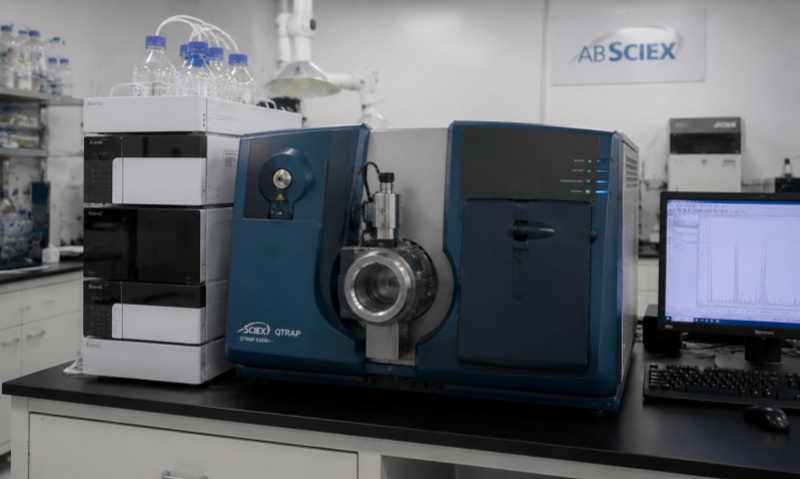
Fully automatic biochemical analyzers are advanced laboratory instruments widely used in clinical diagnostics, pharmaceutical research, biotechnology, and medical testing. These systems are designed to automatically perform sample handling, reagent mixing, chemical reactions, detection, and data analysis with high accuracy and efficiency. Compared with manual biochemical testing methods, automated analyzers significantly improve testing speed, reduce human errors, and support large-scale sample processing in modern laboratories.
A fully automatic biochemical analyzer consists of several key modules that work together to complete the entire analytical process.
The sample handling system is responsible for loading, identifying, and transferring samples. It usually includes sample racks, sample probes, barcode scanners, and robotic mechanisms. The system can automatically recognize sample information and accurately deliver samples to the reaction area.
The reagent system stores and supplies chemical reagents required for different biochemical tests. It typically includes refrigerated reagent compartments, reagent probes, and liquid dispensing pumps. Temperature control helps maintain reagent stability and extends reagent shelf life.
The reaction system provides controlled conditions for chemical reactions between samples and reagents. It usually consists of reaction cuvettes, mixing devices, and temperature-controlled incubation units. Precise temperature regulation is essential because many biochemical reactions are highly temperature dependent.
The detection module measures changes produced during biochemical reactions. Depending on the analytical method, it may contain optical detection components, light sources, filters, photodetectors, or electrochemical sensors.
The computer control system manages instrument operation, calculates analytical results, stores data, and communicates with laboratory information systems (LIS). Advanced software can perform automatic calibration, quality control analysis, and error monitoring.
Fully automatic biochemical analyzers mainly use three analytical methods: colorimetric analysis, turbidimetric analysis, and ion-selective electrode (ISE) analysis.
Colorimetric analysis is one of the most commonly used methods in biochemical testing. The principle is based on the relationship between the color intensity of a reaction solution and the concentration of the target substance.
During analysis, the sample reacts with specific reagents to produce a colored compound. The analyzer measures the absorbance of the solution at a specific wavelength using a photometric detection system. According to Beer-Lambert law, the concentration of the substance is calculated from the measured absorbance value.
This method is widely applied for testing glucose, cholesterol, triglycerides, liver enzymes, and other biochemical parameters.
Turbidimetric analysis measures changes in solution turbidity caused by particles or immune complexes formed during reactions.
When antibodies react with specific antigens in a sample, immune complexes are generated, causing the solution to become cloudy. The analyzer detects the reduction or scattering of transmitted light and calculates the concentration of the target component.
This method is commonly used for protein analysis, immunological tests, and determination of substances such as C-reactive protein (CRP) and specific serum proteins.
ISE analysis is mainly used for measuring electrolyte concentrations in biological samples. The method relies on selective membrane electrodes that generate electrical potential changes according to the concentration of specific ions.
Different electrodes are designed for different ions, including sodium (Na⁺), potassium (K⁺), and chloride (Cl⁻). The analyzer converts the electrical signal into concentration values through calibration and calculation algorithms.
ISE technology is essential for electrolyte testing in blood, urine, and other biological fluids.
Fully automatic biochemical analyzers integrate precision mechanics, optical technology, electronic control, and computer software to provide rapid and reliable laboratory testing. Their major components—including sample systems, reagent systems, reaction modules, detection units, and data processing systems—work together to achieve efficient automation. Through colorimetric, turbidimetric, and ion-selective electrode analysis methods, these instruments provide accurate measurements for clinical diagnosis and scientific research, making them indispensable tools in modern laboratories.