
Consultation Hotline
+1 (302) 618-8777
+1 (302) 618-8777
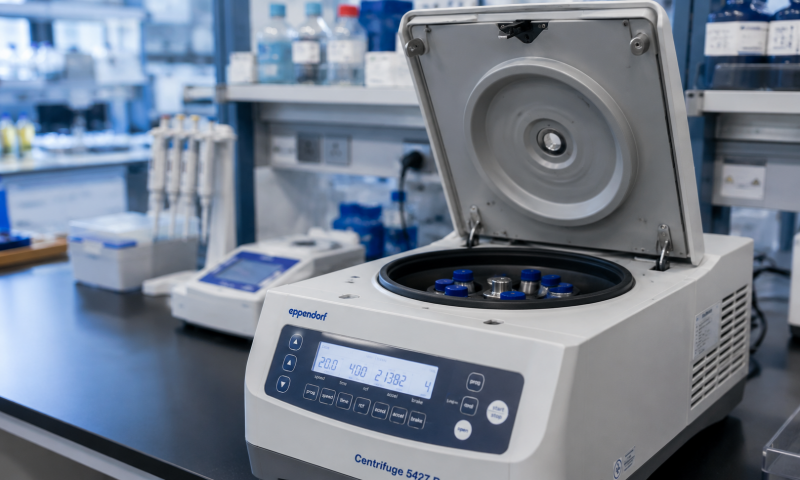
Refrigerated centrifuges are widely used in biotechnology, pharmaceutical research, clinical laboratories, molecular biology, food testing, and chemical analysis. Compared with conventional centrifuges, refrigerated centrifuges provide temperature-controlled separation, allowing sensitive biological samples, proteins, nucleic acids, enzymes, and other temperature-sensitive materials to maintain their stability during high-speed centrifugation.
However, the installation quality of a refrigerated centrifuge directly affects its performance, temperature accuracy, vibration level, noise, and service life. Improper installation may lead to problems such as insufficient cooling, excessive vibration, abnormal noise, compressor failure, inaccurate speed control, and frequent alarms.
Before operating a refrigerated centrifuge, laboratories should pay special attention to three key installation issues: installation environment and location selection, power supply and electrical safety, and rotor balance and cooling system preparation. Proper attention to these factors can ensure reliable operation and reduce future maintenance costs.
The first important consideration for installing a refrigerated centrifuge is selecting an appropriate installation environment. Because refrigerated centrifuges contain high-speed rotating systems and refrigeration units, environmental conditions have a direct impact on equipment performance.
A refrigerated centrifuge operates at high rotational speeds, sometimes exceeding tens of thousands of revolutions per minute. Therefore, the instrument must be installed on a strong, stable, and level surface.
An unstable installation platform may cause:
Excessive vibration.
Increased mechanical wear.
Abnormal noise.
Rotor imbalance.
Reduced separation efficiency.
Before installation:
Confirm that the laboratory bench can support the centrifuge weight.
Use a vibration-resistant platform if necessary.
Ensure the instrument is placed horizontally.
The leveling of the centrifuge should be checked using appropriate tools. A tilted centrifuge may experience uneven centrifugal forces, which can affect rotor performance and safety.
Refrigerated centrifuges generate heat during operation because the compressor, motor, and electronic components release thermal energy. Adequate ventilation is required to maintain stable operation.
During installation:
Leave sufficient space around the centrifuge.
Do not block ventilation openings.
Avoid placing the instrument close to walls or other heat sources.
Poor ventilation can cause:
Compressor overheating.
Longer cooling time.
Reduced refrigeration efficiency.
Increased energy consumption.
The laboratory should maintain a suitable ambient temperature and avoid installing the centrifuge near ovens, incubators, or other heat-producing equipment.
The installation area should be clean and dry.
Dust accumulation may affect:
Cooling fan performance.
Electrical components.
Control systems.
Chemical vapors may cause:
Corrosion of metal parts.
Damage to electronic circuits.
Shortened equipment lifetime.
For laboratories using corrosive chemicals, additional protective measures may be required.
The second critical installation issue is ensuring a stable and safe electrical supply. Refrigerated centrifuges contain precision control systems, compressors, and high-power motors, which require reliable power conditions.
Before installation, verify:
Rated voltage.
Frequency requirements.
Maximum power consumption.
Plug and socket compatibility.
Using an incorrect power supply may result in:
Failure to start.
Electrical damage.
Compressor malfunction.
Control system errors.
The centrifuge should preferably use an independent power outlet rather than sharing a circuit with other high-power laboratory instruments.
Proper grounding is essential for operator safety and equipment protection.
A poor grounding system may cause:
Electrical leakage.
Control system interference.
Damage to electronic boards.
Before operation:
Check the laboratory grounding system.
Confirm that the power outlet has a protective earth connection.
Avoid using damaged extension cables.
Voltage instability can negatively affect centrifuge operation.
Possible consequences include:
Unstable motor speed.
Compressor startup failure.
Control panel errors.
Reduced cooling performance.
For laboratories with unstable power systems, using a voltage stabilizer or suitable power protection device may improve equipment reliability.
The third important issue involves rotor installation and preparation of the refrigeration system. The rotor directly determines centrifugation safety and separation quality, while the cooling system ensures temperature stability.
The rotor must be installed correctly before operation.
Important steps:
Check the rotor condition.
Confirm that the rotor is clean and dry.
Install the rotor according to manufacturer instructions.
Tighten the rotor locking mechanism properly.
A poorly installed rotor may cause:
Strong vibration.
Abnormal noise.
Rotor damage.
Safety risks.
Never operate the centrifuge with an unknown or damaged rotor.
Sample balancing is one of the most important operating requirements.
Incorrect balancing can cause:
Rotor vibration.
Bearing damage.
Motor overload.
Speed instability.
When loading samples:
Balance opposite tubes accurately.
Ensure tubes have equal volume and weight.
Use compatible centrifuge tubes.
For high-speed applications, even small weight differences may create significant mechanical stress.
The refrigeration system is a key feature of refrigerated centrifuges.
Before regular operation:
Confirm that the temperature display works correctly.
Allow sufficient pre-cooling time.
Check whether the compressor operates normally.
Common cooling problems include:
Slow temperature reduction.
Temperature fluctuation.
Failure to reach the set temperature.
Possible causes:
Poor ventilation.
Dirty condenser.
Refrigerant leakage.
Compressor aging.
Regular cleaning of the condenser and ventilation system helps maintain cooling efficiency.
Besides the three major issues above, several additional points should also be considered.
After installation:
Run a low-speed test.
Check vibration levels.
Confirm temperature control.
Verify speed accuracy.
Do not immediately operate at maximum speed before confirming normal performance.
Laboratories should record:
Installation date.
Equipment model.
Rotor information.
Initial performance data.
Maintenance schedule.
These records help with future troubleshooting and preventive maintenance.
The installation of a refrigerated centrifuge is a critical process that determines equipment stability, safety, and operating lifetime. The three most important factors are selecting a suitable installation environment, ensuring a stable electrical supply, and correctly preparing the rotor and refrigeration system.
A stable installation location reduces vibration and overheating problems. Proper electrical preparation protects the control system and compressor. Correct rotor installation, sample balancing, and cooling system inspection ensure safe and efficient operation.
By carefully addressing these installation requirements and establishing regular maintenance procedures, laboratories can maximize the performance of refrigerated centrifuges, reduce unexpected failures, and achieve reliable sample separation results for research and analytical applications.