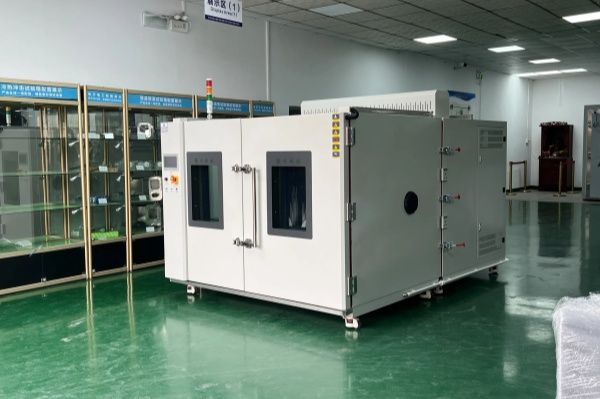
Low-speed centrifuges are widely used in laboratories, hospitals, and research institutions for separating liquids and solids, such as serum separation, cell precipitation, and sample purification. As a common laboratory equipment, their stable operation directly affects the efficiency of experiments and the accuracy of results. Proper daily maintenance not only extends the service life of the centrifuge but also reduces the probability of failures, ensuring safe and efficient operation. This guide summarizes practical maintenance tips for low-speed centrifuges, covering daily cleaning, routine inspection, component maintenance, and fault prevention, with a total length of about 1000 words, suitable for laboratory technicians and operators to apply in daily work.
Daily cleaning is the most basic and important maintenance measure, which should be carried out after each use of the centrifuge. First, turn off the power and wait for the rotor to stop completely before cleaning to avoid safety accidents. Use a soft, lint-free cloth to wipe the inner wall of the centrifuge cavity, removing any spilled samples, droplets, or dust. For stubborn stains, moisten the cloth with a small amount of neutral detergent or 75% ethanol, and avoid using corrosive cleaners that may damage the cavity surface. After cleaning, dry the cavity thoroughly to prevent moisture accumulation, which can cause rust or mold growth.
The rotor is the core component of the low-speed centrifuge, and its maintenance directly affects the operation stability. After each use, remove the rotor and clean its surface and the mounting hole with a clean cloth. Check the rotor for scratches, cracks, or deformation; even small cracks can lead to serious accidents during high-speed operation. Ensure that the rotor is dried completely before reinstallation to avoid water entering the mounting shaft. In addition, the rotor should be stored in a dry, clean place when not in use, and avoid collision or heavy pressure to prevent damage.
Balancing the centrifuge during use is a key point to avoid equipment damage and ensure smooth operation. Before starting the centrifuge, check that the sample tubes are evenly placed in the rotor, and the total weight of each symmetric position is consistent. The difference in weight should not exceed the range specified by the equipment manual, otherwise, it will cause severe vibration during operation, which may damage the rotor, bearing, and other components. Do not overload the centrifuge; strictly follow the rated capacity and speed requirements to avoid excessive load on the motor and rotor.
Routine inspection of electrical components and mechanical parts is essential to prevent sudden failures. Regularly check the power cord, plug, and socket for damage, looseness, or overheating, and replace them in time if any abnormality is found. Inspect the control panel to ensure that all buttons, displays, and indicators work normally; if the display is unclear or the buttons are unresponsive, check the connection line or contact professional maintenance personnel. For the motor and bearing, listen for abnormal noise during operation; if there is a harsh noise or excessive vibration, it may indicate bearing wear or motor failure, and the equipment should be shut down immediately for inspection.
Lubrication maintenance is necessary for the mechanical parts of the centrifuge to reduce friction and extend service life. According to the equipment manual, regularly add appropriate lubricating oil to the rotor shaft and bearing, and avoid adding too much lubricating oil to prevent oil leakage. Check the lubrication status regularly; if the lubricating oil becomes turbid or contaminated, replace it in time to ensure good lubrication effect. It should be noted that the type of lubricating oil must comply with the manufacturer’s requirements, and mixed use of different types of lubricating oil is not allowed.
Long-term idle maintenance and environmental protection are also important aspects. If the centrifuge is not used for a long time, disconnect the power supply, clean the cavity and rotor thoroughly, and apply a thin layer of anti-rust oil to the rotor and mounting shaft to prevent rust. Store the centrifuge in a well-ventilated, dry, and dust-free environment, avoiding direct sunlight and high-temperature, high-humidity environments. Regularly start the centrifuge and run it at a low speed for 10-15 minutes every 1-2 weeks to prevent component aging and ensure that the equipment can be put into use normally when needed.
In addition, operators should strictly follow the operation manual when using the centrifuge, and avoid incorrect operations such as starting the centrifuge with the door open, changing the speed during operation, or opening the door before the rotor stops completely. Establish a detailed maintenance record, recording the time, content, and found problems of each maintenance, which helps to track the equipment status and troubleshoot faults in a timely manner. If any serious faults are found, such as rotor damage, motor failure, or electrical short circuit, stop using the equipment immediately and contact professional after-sales personnel for maintenance.
In summary, the maintenance of low-speed centrifuges requires persistence and standardization. By doing a good job in daily cleaning, rotor maintenance, balancing operation, routine inspection, and lubrication, the service life of the equipment can be effectively extended, the failure rate can be reduced, and the safe and stable operation of the centrifuge can be ensured. Proper maintenance not only saves maintenance costs but also provides a reliable guarantee for the smooth progress of laboratory experiments.