
Consultation Hotline
+1 (302) 618-8777
+1 (302) 618-8777
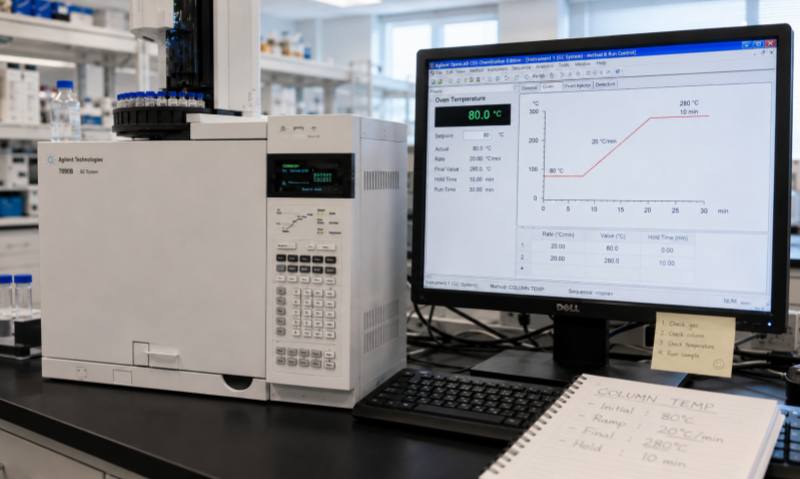
The high-pressure analytical pump is one of the most important components of an ion chromatography (IC) system. It delivers the mobile phase through the chromatographic system at a stable flow rate and pressure. Pump performance directly affects retention time, peak area, baseline stability, resolution, and overall analytical reproducibility. Common problems include unstable pressure, insufficient flow, excessive pressure, leakage, air bubbles, abnormal noise, and failure to start. Proper troubleshooting can help prevent unnecessary downtime and extend pump service life.
Pressure fluctuation is one of the most common problems encountered with IC analytical pumps. Under normal conditions, the pressure should remain relatively stable after the system reaches equilibrium.
If the pressure fluctuates significantly, first check whether there is sufficient mobile phase in the reservoir. An insufficient supply of eluent can allow air to enter the pump. Degassing problems can also produce bubbles that cause unstable pressure.
The pump inlet tubing, fittings, and filter should be inspected for loose connections or blockage. If the inlet filter is contaminated, the pump may not receive a consistent supply of mobile phase. Cleaning or replacing the filter may restore stable operation.
If the pump cannot reach the expected pressure, there may be a leak or insufficient flow resistance in the system.
Inspect the tubing and fittings between the pump, injector, column, suppressor, and detector. Loose fittings or damaged tubing can cause mobile-phase leakage and prevent pressure from building up.
The pump head, seals, and check valves should also be inspected. Worn piston seals may allow mobile phase to leak internally, reducing pumping efficiency. If the seals are damaged, they should be replaced according to the manufacturer's maintenance procedure.
Excessive pressure usually indicates a restriction or blockage downstream of the pump.
Start troubleshooting from the simplest components. Check the tubing, injection valve, guard column, analytical column, suppressor, and detector flow path. A blocked column or contaminated fitting can significantly increase system pressure.
Do not immediately continue operating the pump at extremely high pressure. Excessive pressure may damage seals, pistons, fittings, or other components. If the pressure exceeds the instrument or column manufacturer's specified limit, stop the flow and identify the restriction before continuing.
Air bubbles can cause pressure fluctuations, irregular flow, retention-time changes, and unstable detector signals.
Common causes include an empty solvent reservoir, loose inlet connections, insufficient degassing, or improper priming.
Make sure the mobile-phase reservoir contains sufficient eluent and that all inlet connections are properly tightened. Use the instrument's priming or purge function to remove air from the pump head and inlet tubing.
When preparing mobile phases, appropriate filtration and degassing procedures should be followed according to the IC system and eluent chemistry.
Leakage may occur around pump-head fittings, tubing connections, seals, or valve components.
When a leak is discovered, stop the pump and depressurize the system before attempting to tighten or replace components. Never attempt to repair a pressurized connection.
Inspect the fitting ferrules, tubing ends, pump-head seals, and valve connections. Damaged or deformed components should be replaced rather than repeatedly tightened.
Because many IC eluents are chemically active, leaked liquid should be cleaned promptly to prevent corrosion or contamination.
Unusual clicking, knocking, or vibration may indicate air in the pump head, insufficient lubrication where applicable, worn mechanical components, or problems with check valves.
First check the mobile-phase supply and purge the pump to remove trapped air. If the noise continues, inspect the check valves and piston assembly.
Do not ignore persistent abnormal noise. Continued operation with a damaged pump component can lead to more serious mechanical failure.
A flow rate lower than the programmed value can be caused by inlet restrictions, air bubbles, worn seals, faulty check valves, or pump-head contamination.
Measure the actual flow rate using an appropriate collection method or the instrument's diagnostic function. Compare the measured value with the programmed setting.
If the pump cannot maintain the required flow even after the mobile-phase path is confirmed to be unobstructed, the pump seals, pistons, and check valves may require inspection.
The inlet and outlet check valves control the direction of mobile-phase movement through the pump head. Contamination or crystallized salts can prevent the valves from operating correctly.
In IC systems, inappropriate mobile-phase preparation or prolonged exposure to concentrated solutions can increase the risk of deposits. Check valves should be cleaned or replaced according to the manufacturer's instructions.
After maintenance, the pump should be thoroughly purged and checked for stable pressure and flow.
Pump seals are consumable components and gradually wear during normal operation. Typical symptoms include leakage, unstable pressure, reduced flow accuracy, or mobile-phase accumulation around the pump head.
The service interval depends on flow rate, pressure, eluent composition, operating time, and instrument design. If seal wear is suspected, replace the seals using the correct parts and installation procedure.
After replacement, inspect the pump carefully for leakage and verify pressure stability.
Preventive maintenance is essential for reliable IC pump operation. Mobile phases should be prepared correctly, filtered when appropriate, and replaced according to laboratory procedures. The pump should be flushed with a compatible solution when required, especially after using eluents that may form deposits.
Regularly inspect tubing, fittings, filters, seals, check valves, and pump-head components. Keep detailed maintenance records so recurring problems can be identified early.
The high-pressure analytical pump is central to the performance of an ion chromatography system. Problems such as unstable pressure, excessive pressure, insufficient flow, air bubbles, leakage, abnormal noise, check-valve failure, and seal wear can significantly affect analytical results. A systematic troubleshooting process should begin with the mobile-phase supply and external connections before moving to internal pump components. Regular cleaning, correct mobile-phase preparation, timely replacement of consumable parts, and proper preventive maintenance can improve pump stability, extend equipment life, and ensure reliable ion chromatography measurements.