
Consultation Hotline
+1 (302) 618-8777
+1 (302) 618-8777
Current location:Home > Product > Biological Instruments > Gene Sequencer
PRODUCT CATEGORY
Related Articles
Detailed Introduction
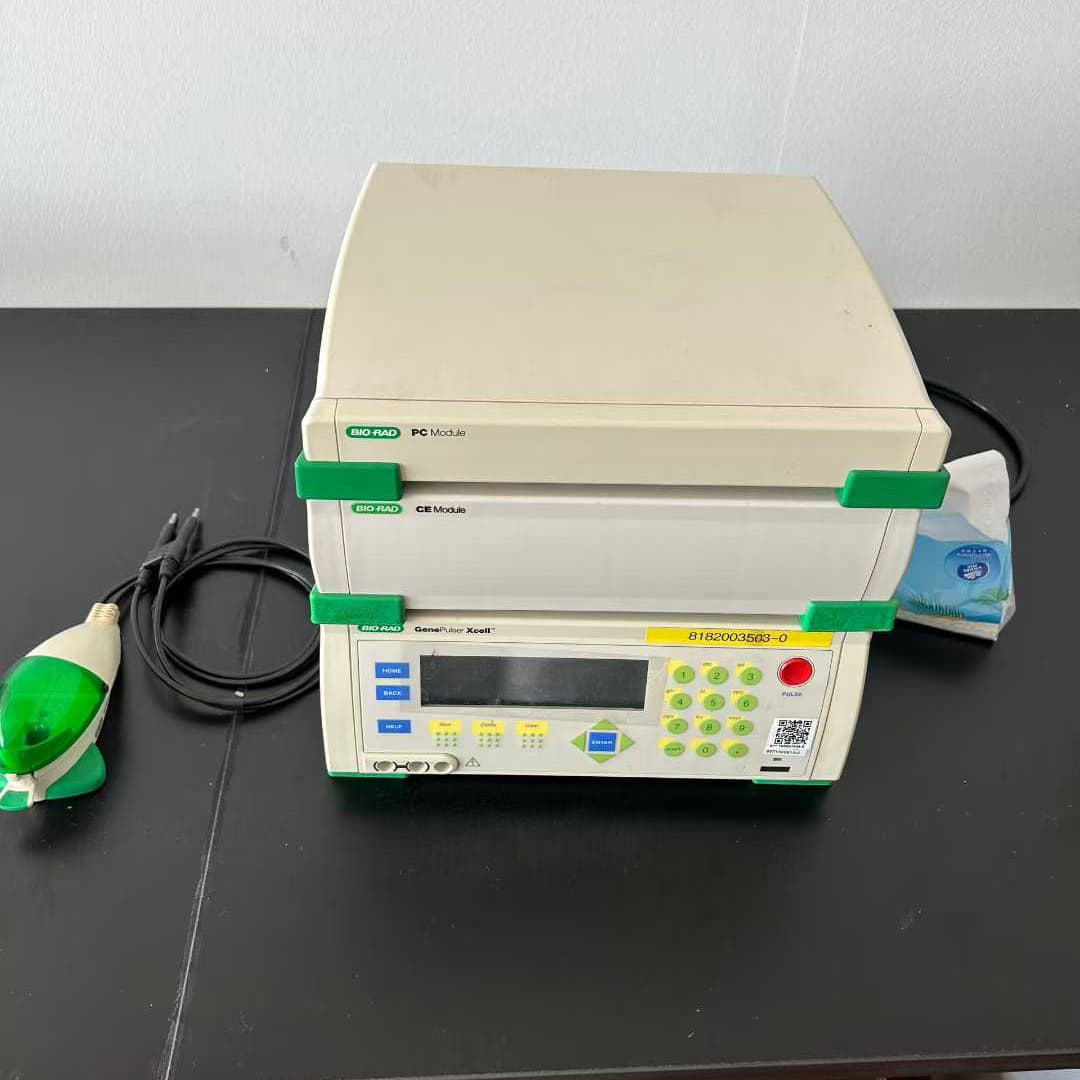
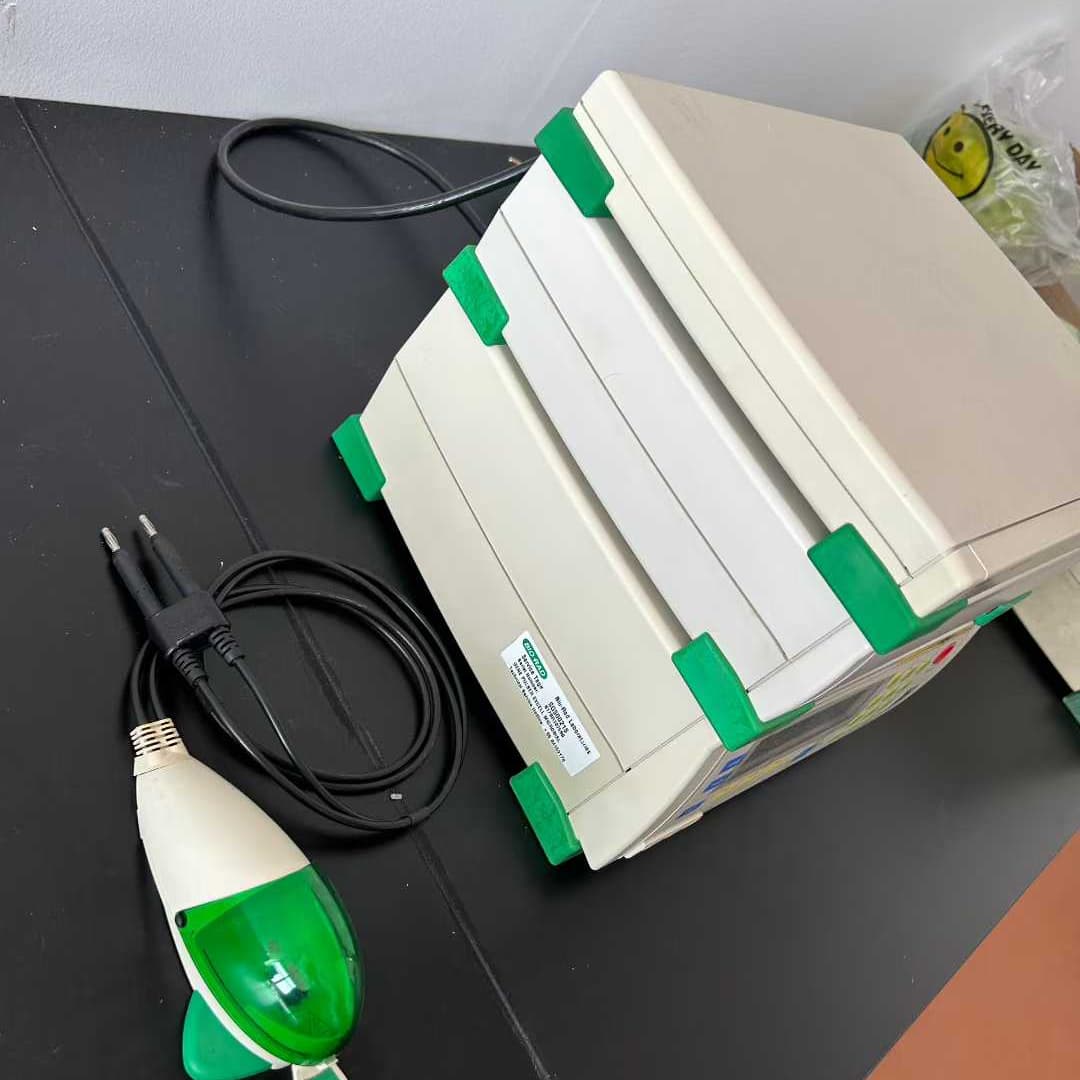
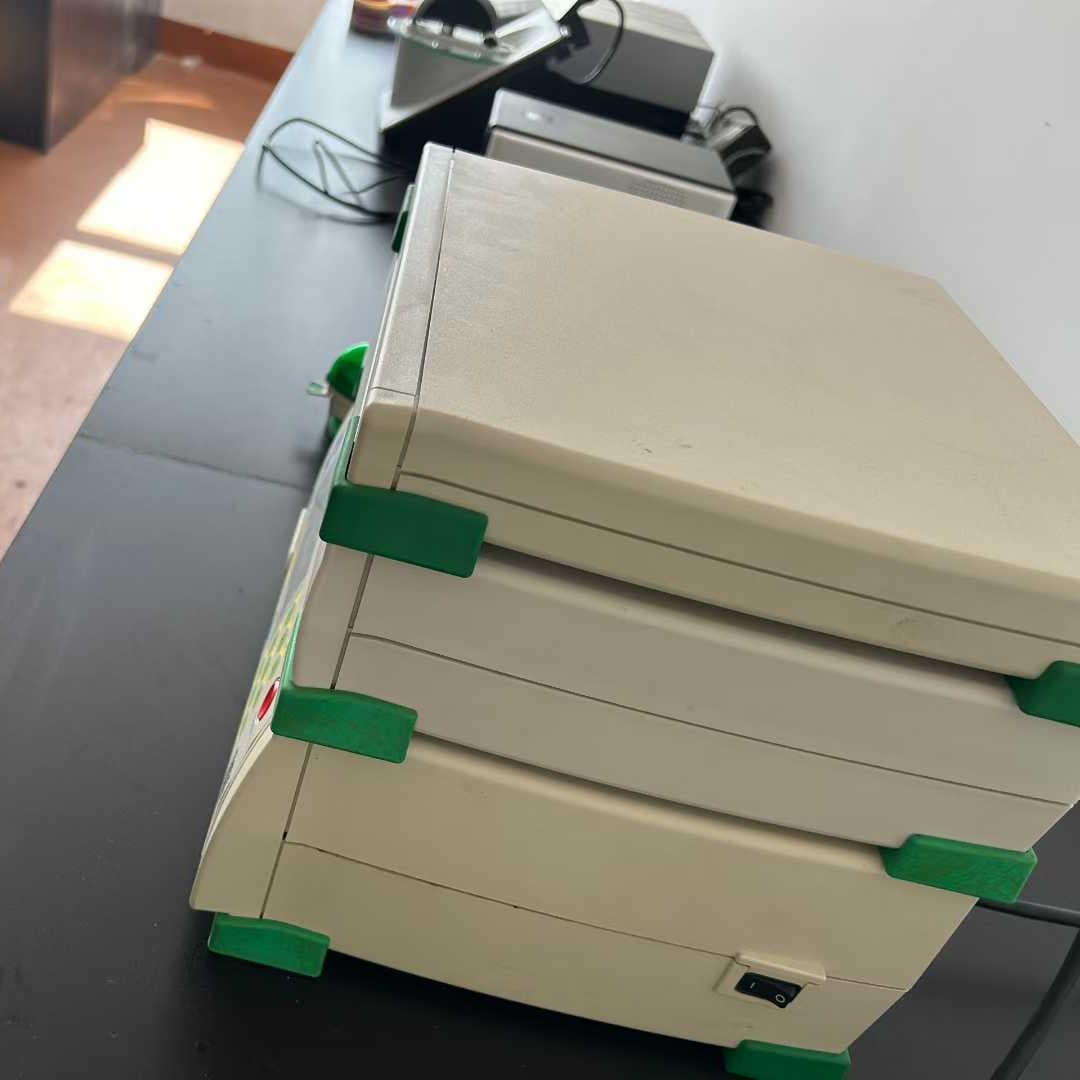
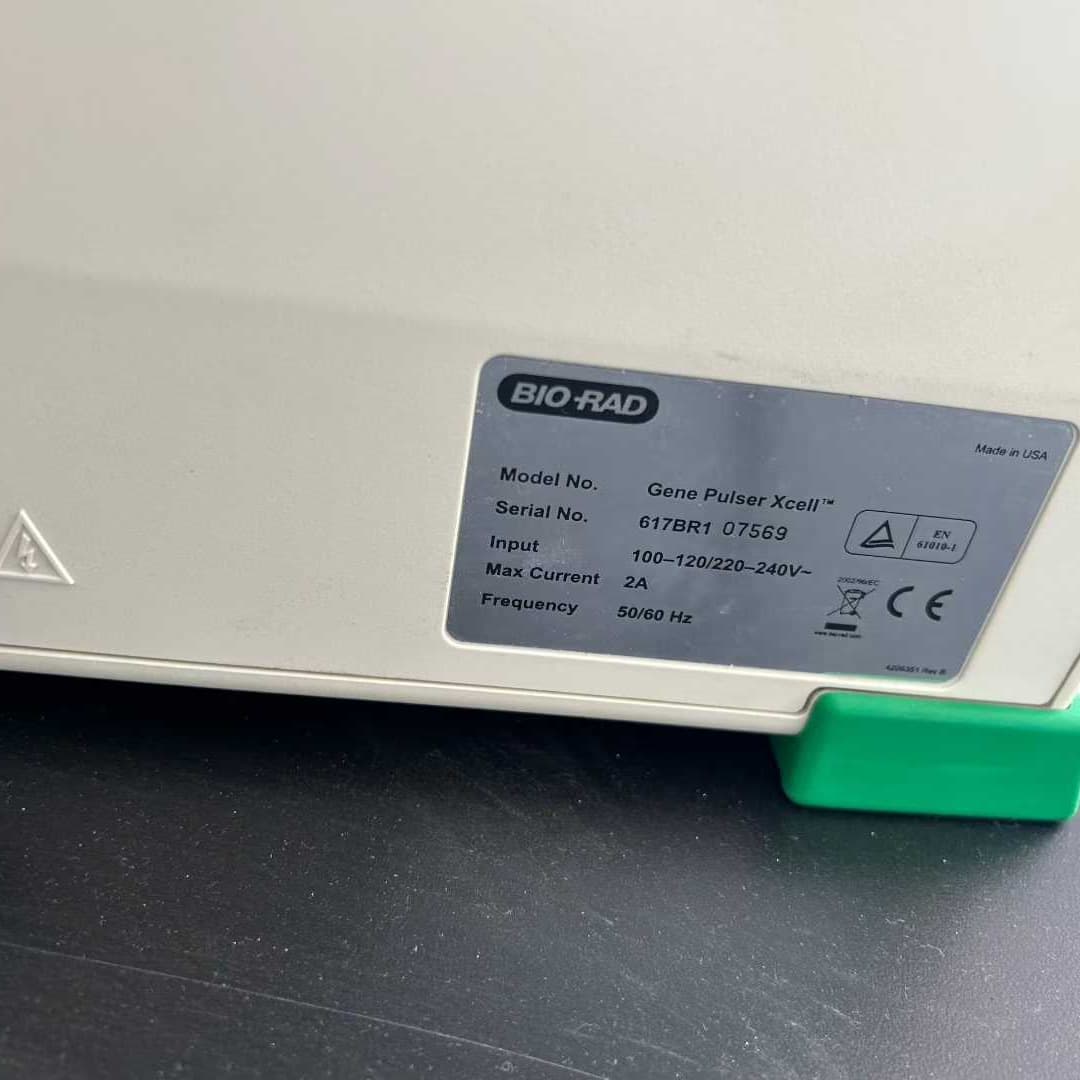
The Bio-Rad Gene Pulser Xcell Total Electroporation System (Catalog #165-2660, commonly referenced as 2652660) stands as a benchmark instrument in the field of genetic engineering and cell biology, meticulously engineered by Bio-Rad Laboratories to provide a universal, reliable, and highly flexible solution for the introduction of foreign molecules into virtually any cell type. Commonly known as an electroporator or electrotransfection system, this instrument operates on the fundamental principle of electroporation: applying a brief, high-intensity electrical pulse to a cell suspension to temporarily destabilize the phospholipid bilayer of the cell membrane, creating reversible micropores through which exogenous materials such as plasmid DNA, RNA, proteins, antibodies, drugs, or other small molecules can diffuse into the cytoplasm. What distinguishes the Gene Pulser Xcell Total System from simpler, single-application electroporators is its comprehensive "Total" configuration, which integrates the main control unit with two critical accessory modules: the Capacitance Extender (CE) module and the Pulse Controller (PC) module, alongside the ShockPod cuvette chamber. This complete modular setup empowers researchers to seamlessly transition between the transformation of robust prokaryotes, such as E. coliand Bacillus, and the delicate transfection of sensitive eukaryotic cells, including mammalian primary cells, stem cells, immune cells (like T cells and macrophages), insect cells, and plant protoplasts, all within a single, benchtop-friendly platform. The system is designed to remove the guesswork and technical barriers often associated with electrical transfection, offering a combination of precise parameter control, intelligent safety features, and user-centric programming that makes high-efficiency gene delivery accessible to both novice students and expert scientists.
At the core of the Gene Pulser Xcell’s technical versatility is its ability to generate two distinct pulse waveforms: the exponential decay wave and the square wave, each tailored for specific biological applications and cell sensitivities. The exponential decay waveform, facilitated by the PC module, is the classical choice for microbial transformations and many standard eukaryotic transfections; it delivers a rapid voltage spike that decays exponentially based on the circuit's time constant (determined by capacitance and resistance), making it highly effective for bacteria, yeast (Saccharomyces cerevisiae, Pichia pastoris), and fungal cells. Conversely, the square wave waveform, optimized through the CE module, delivers a precise, flat-topped voltage for a user-defined duration, providing unparalleled control over the electric field strength and exposure time. This square wave pulse is particularly crucial for transfecting mammalian cells, especially primary cells and stem cells, which are often highly sensitive to electrical stress; the ability to fine-tune the pulse length in increments as small as 0.05 milliseconds allows researchers to maximize transfection efficiency while preserving cell viability, a balance that is often difficult to achieve with less sophisticated equipment. The instrument boasts an impressive operational range, delivering voltages from 10 V up to 3,000 V, with capacitance adjustable from 25 µF up to 3,275 µF (in the low-voltage range via the CE module) and parallel resistance selectable from 50 Ω to 1,000 Ω (plus infinity), ensuring that the electrical parameters can be exquisitely matched to the specific conductivity of the buffer and the gap width of the cuvette being used (compatible with 0.1 cm, 0.2 cm, and 0.4 cm gap cuvettes for volumes ranging from 20 µL to 1 mL).
Beyond its raw electrical capabilities, the Gene Pulser Xcell Total System is defined by its intelligent operational ecosystem, which prioritizes experimental reproducibility, sample safety, and user efficiency. A standout feature is Bio-Rad’s proprietary PulseTrac technology, a microprocessor-controlled circuit that continuously monitors the voltage delivered to the sample, measures the actual sample resistance before the pulse, and ensures that the intended electrical parameters are accurately executed, correcting for minor fluctuations to guarantee highly reproducible results run-after-run. Coupled with this is a robust arc-protection system; the instrument constantly monitors the electrical path and will immediately interrupt the pulse and alert the user if it detects a potential arc (electrical discharge across the cuvette gap, often caused by air bubbles or salt crystals), thereby preventing the catastrophic heating and sparking that could destroy the sample and damage the electrodes. The user interface is built around a clear graphical LCD screen and intuitive navigation keys, offering multiple programming modes: manual operation for full parameter control, a library of preset optimized protocols for commonly used cell lines (such as CHO, HEK-293, Jurkat, NIH/3T3, E. coliDH10B, and more), a custom protocol mode allowing users to create and store up to 99 (or 144, depending on firmware) personalized programs, and an optimization protocol mode that guides users through incremental voltage steps to empirically determine the ideal conditions for a new cell type. Furthermore, the system automatically stores the parameters of the last 100 experiments performed, a invaluable troubleshooting and record-keeping tool for regulated environments or longitudinal studies. The modular nature of the 2652660 system not only provides immediate total functionality but also offers a pathway for future expansion, such as the integration of the optional MicroPulser Electroporation Module for 96-well plate high-throughput screening, ensuring the instrument can evolve alongside the laboratory's growing research demands.
The practical impact of the Bio-Rad Gene Pulser Xcell Total Electroporation System spans virtually every corner of the life sciences, from foundational molecular cloning to cutting-edge therapeutic development. In microbiology and microbial biotechnology, it is the workhorse for plasmid transformation, BAC library construction, and the engineering of industrial yeast strains for biofuel or recombinant protein production. In mammalian cell biology and immunology, it is routinely used to introduce CRISPR-Cas9 ribonucleoproteins (RNPs) for gene editing, deliver mRNA for vaccine research, or transfect primary T cells for CAR-T cell therapy development—applications where chemical transfection reagents often fail or introduce unacceptable toxicity. For plant biologists, it provides a reliable method for transforming plant protoplasts to study gene function or generate genetically modified crops. Its reputation for robustness and consistency has also made it a staple in university teaching laboratories, where students learn the principles of genetic transformation through hands-on bacterial electroporation experiments. The system’s compact footprint (the main unit measures approximately 31 x 30 x 14 cm) and relatively lightweight design (around 6.6 kg for the main unit) allow it to fit easily into standard biological safety cabinets for sterile preparations, or onto crowded lab benches. Ultimately, the Bio-Rad 2652660 (Gene Pulser Xcell Total Electroporation System) is more than just an electrical pulse generator; it is a meticulously refined scientific instrument that combines decades of Bio-Rad’s expertise in electroporation technology into a single, dependable platform. By offering unmatched waveform flexibility, precise parameter control, intelligent safety mechanisms, and a deeply thoughtful user experience, it empowers researchers to push the boundaries of genetic manipulation across diverse biological systems, driving forward discoveries in medicine, agriculture, and fundamental cell biology with confidence and precision.
|
Parameter |
Specification |
|---|---|
|
Instrument Model |
Bio-Rad Gene Pulser Xcell Total Electroporation System |
|
Catalog Number |
165-2660 (often referenced as 2652660) |
|
Output Waveforms |
Exponential Decay Wave, Square Wave |
|
Voltage Range |
10 V to 3,000 V |
|
Capacitance Range |
25 to 3,275 µF (10–500 V range, 25 µF increments); 10, 25, 50 µF (500–3,000 V range) |
|
Resistance (Parallel) |
50 to 1,000 Ω (50 Ω increments), plus Infinity |
|
Square Wave Pulse Time |
0.05–10 ms (10–500 V); 0.05–5 ms (500–3,000 V) |
|
Number of Pulses |
1–10 (Square Wave) |
|
Pulse Interval |
0.1–10 seconds |
|
Sample Resistance Monitoring |
Yes (minimum 20 Ω at 10–2,500 V; 600 Ω at 2,500–3,000 V) |
|
Cuvette Compatibility |
0.1 cm, 0.2 cm, 0.4 cm gap cuvettes |
|
Program Storage |
Up to 99/144 user-defined programs; Last 100 experiments stored |
|
Safety Features |
PulseTrac Circuitry, Arc Protection, Automatic Discharge |
|
Modules Included |
Main Unit, CE Module (Capacitance Extender), PC Module (Pulse Controller), ShockPod Chamber |
|
Display |
Graphical LCD |
|
Power Requirements |
100–120 VAC or 220–240 VAC, 50/60 Hz |
|
Dimensions (Main Unit) |
31 cm W x 30 cm D x 14 cm H |
|
Weight (Main Unit) |
Approx. 6.6 kg |
Product Inquiry